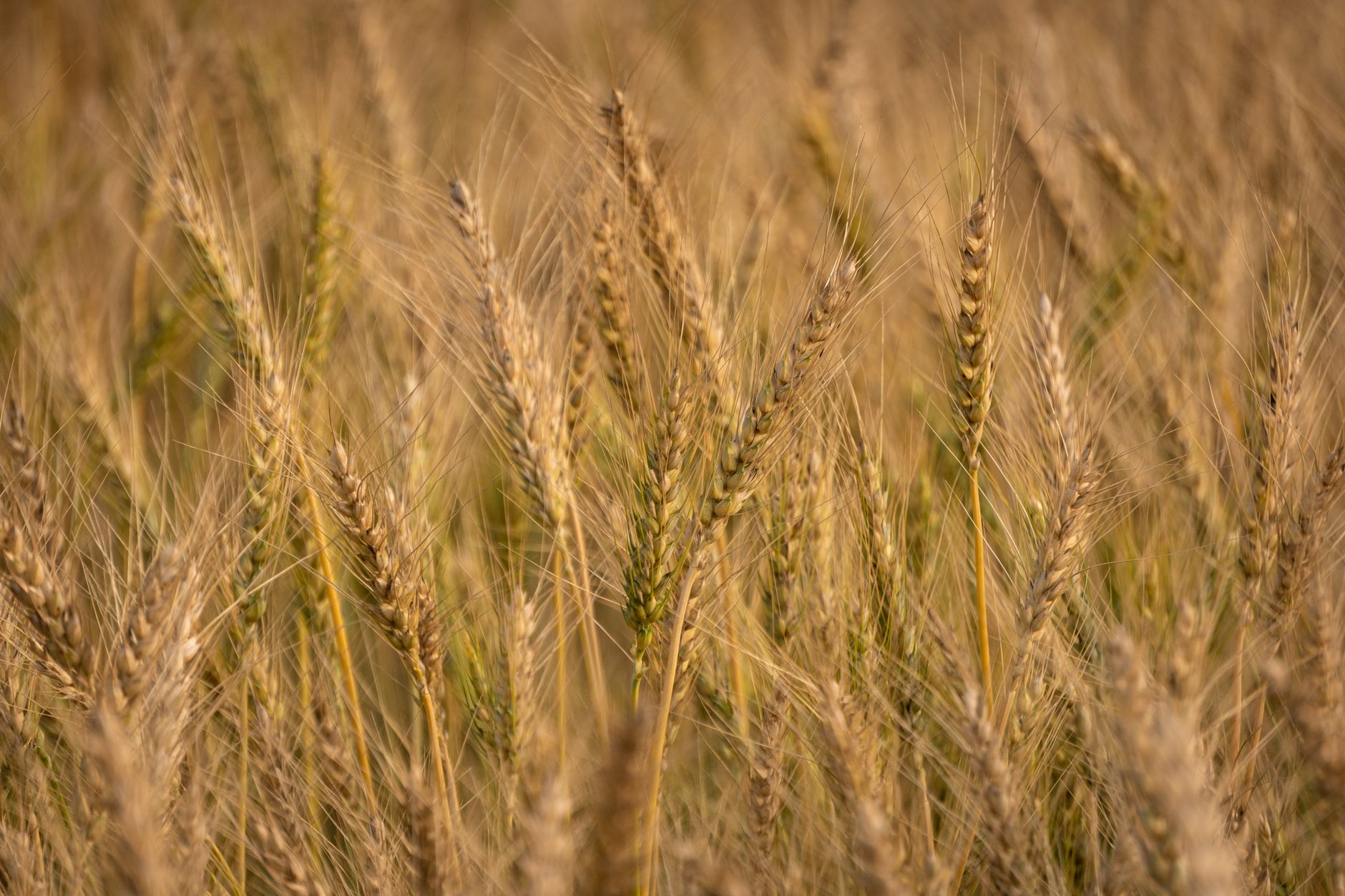
India wheat plantings are expected to reach record highs this season, according to the FAO. However, the final output will largely depend on weather conditions throughout the growing period.
Current Status of Wheat Plantings in India
India’s wheat plantings are currently experiencing a promising trend, with farmers across the country increasing their sowing activities. The Food and Agriculture Organization (FAO) has reported that wheat plantings in India are anticipated to reach record highs this season. This surge is largely attributed to favorable weather conditions and the government’s support for agricultural initiatives.
As of now, the planted area for wheat has seen a significant rise in several key states, including:
- Punjab – Traditionally known as the breadbasket of India, with extensive cultivation.
- Haryana – Increasingly adopting modern farming techniques to boost yields.
- Uttar Pradesh – A major contributor to the national wheat supply, showing a steady rise in planted area.
Despite the positive outlook for wheat plantings, experts caution that the final output will heavily depend on upcoming weather patterns. Adequate rainfall and favorable temperatures during the growing season will be crucial for achieving the desired record yield. Farmers remain hopeful, but they are also aware of the unpredictability of weather, which could influence the overall harvest.
Factors Influencing Wheat Production
The upcoming wheat season in India is poised for a promising yield, with several key factors influencing production levels. As farmers engage in wheat plantings, their strategies are shaped by a combination of climate conditions, technological advancements, and market dynamics.
- Weather Conditions: The most significant factor affecting wheat production is the weather. Adequate rainfall during the growing season is essential for healthy crop development. The Indian Meteorological Department’s forecasts will be crucial in determining the final output.
- Soil Health: The quality of soil plays a vital role in crop yield. Farmers are increasingly adopting sustainable farming practices to enhance soil fertility, which can lead to better wheat plantings and higher outputs.
- Government Policies: Supportive government initiatives, such as price guarantees and subsidies for fertilizers, are encouraging farmers to invest in wheat cultivation. These policies aim to boost overall production and ensure food security.
- Technological Innovations: The introduction of high-yield seed varieties and advanced irrigation techniques is transforming wheat farming in India, making it more efficient and resilient to climate variability.
Weather Predictions for the Growing Season
The forecast for the upcoming growing season in India is pivotal for the country’s wheat plantings, as weather conditions are expected to play a crucial role in determining yield outcomes. Meteorologists anticipate a favorable climate, with predictions of adequate rainfall and moderate temperatures throughout the growing period.
The India Meteorological Department (IMD) has reported that the southwest monsoon is likely to be normal, which should benefit the wheat crop during its critical growth stages. Experts suggest that these conditions will contribute to a strong start for wheat plantings, setting the stage for potentially record yields.
However, uncertainties remain, particularly concerning extreme weather events. The following factors could influence the growing season:
- Heatwaves: Unseasonal high temperatures could affect crop maturation.
- Flooding: Excessive rainfall may lead to waterlogging, damaging young plants.
- Pest and Disease Pressure: Changing weather patterns can increase the risk of infestations.
As farmers prepare for the season, the interplay between these weather predictions and actual conditions will ultimately dictate the success of India’s wheat plantings.
Impact of Global Markets on Local Wheat Prices
The dynamics of global markets play a critical role in shaping local wheat prices in India. As the country gears up for record wheat plantings this season, fluctuations in international markets could significantly influence farmers’ earnings and decisions.
Currently, wheat prices globally are affected by various factors, including:
- Supply Chain Disruptions: Ongoing geopolitical tensions and logistical challenges can restrict the flow of wheat from major exporting countries.
- Demand Variations: Global consumption patterns, particularly in countries heavily reliant on wheat imports, can shift pricing dynamics.
- Currency Exchange Rates: The strength of the Indian Rupee against major currencies can impact import costs, thereby affecting local prices.
Moreover, as India enhances its wheat plantings, the prospects of a record yield may create a mixed bag for local prices. While increased supply can lead to lower prices, it also depends on global demand. Farmers are keenly observing these trends, balancing their planting strategies against potential price volatility in the near future.
In summary, the intersection of global market trends and local production will be pivotal in determining the outcomes for India’s wheat growers.
FAO’s Insights on Agricultural Trends
The Food and Agriculture Organization (FAO) has recently provided valuable insights into agricultural trends, particularly concerning India wheat plantings. The organization highlights the potential for a record yield this season, driven by favorable conditions and strategic agricultural practices. However, the FAO emphasizes that achieving these optimistic projections will heavily rely on the weather throughout the growing season.
In their report, the FAO noted several key factors that could influence the final output:
- Soil Health: Proper management of soil nutrients is crucial for maximizing wheat production.
- Pest Management: Effective strategies to control pests and diseases can significantly impact crop yield.
- Water Availability: Adequate irrigation and rainfall patterns are essential for sustaining healthy crops.
- Farmer Practices: Adoption of modern farming techniques can enhance productivity and resilience against adverse conditions.
Overall, while the outlook for India wheat plantings appears promising, farmers and stakeholders must remain vigilant and adaptable to the changing weather patterns to ensure a successful harvest.
Future Outlook for India’s Wheat Industry
The future outlook for India’s wheat industry appears promising, with wheat plantings projected to reach record highs. As farmers embrace new agricultural techniques and improved seed varieties, productivity is expected to rise significantly. The Food and Agriculture Organization (FAO) has noted that while the initial planting figures are encouraging, the final yield will largely depend on weather conditions throughout the growing season.
Moreover, government initiatives aimed at supporting farmers, such as subsidies for fertilizers and investment in irrigation infrastructure, are anticipated to bolster production levels. As a result, a combination of favorable policies and innovative practices may lead to enhanced agricultural productivity.
However, challenges remain. Fluctuations in global wheat prices and potential pest infestations could pose risks to achieving the desired output. Farmers must remain vigilant and adaptable, employing integrated pest management and sustainable practices to mitigate these threats.
In conclusion, while the prospects for India wheat plantings are bright, sustained efforts will be necessary to navigate the uncertainties ahead and ensure that the country can capitalize on its potential for record yields in the coming years.
India wheat plantings have benefited from favorable weather conditions this season, leading to an optimistic forecast for farmers. As a result, experts are confident that India wheat plantings will contribute to achieving a record yield this year.
Photo by Shotify _ on Pexels