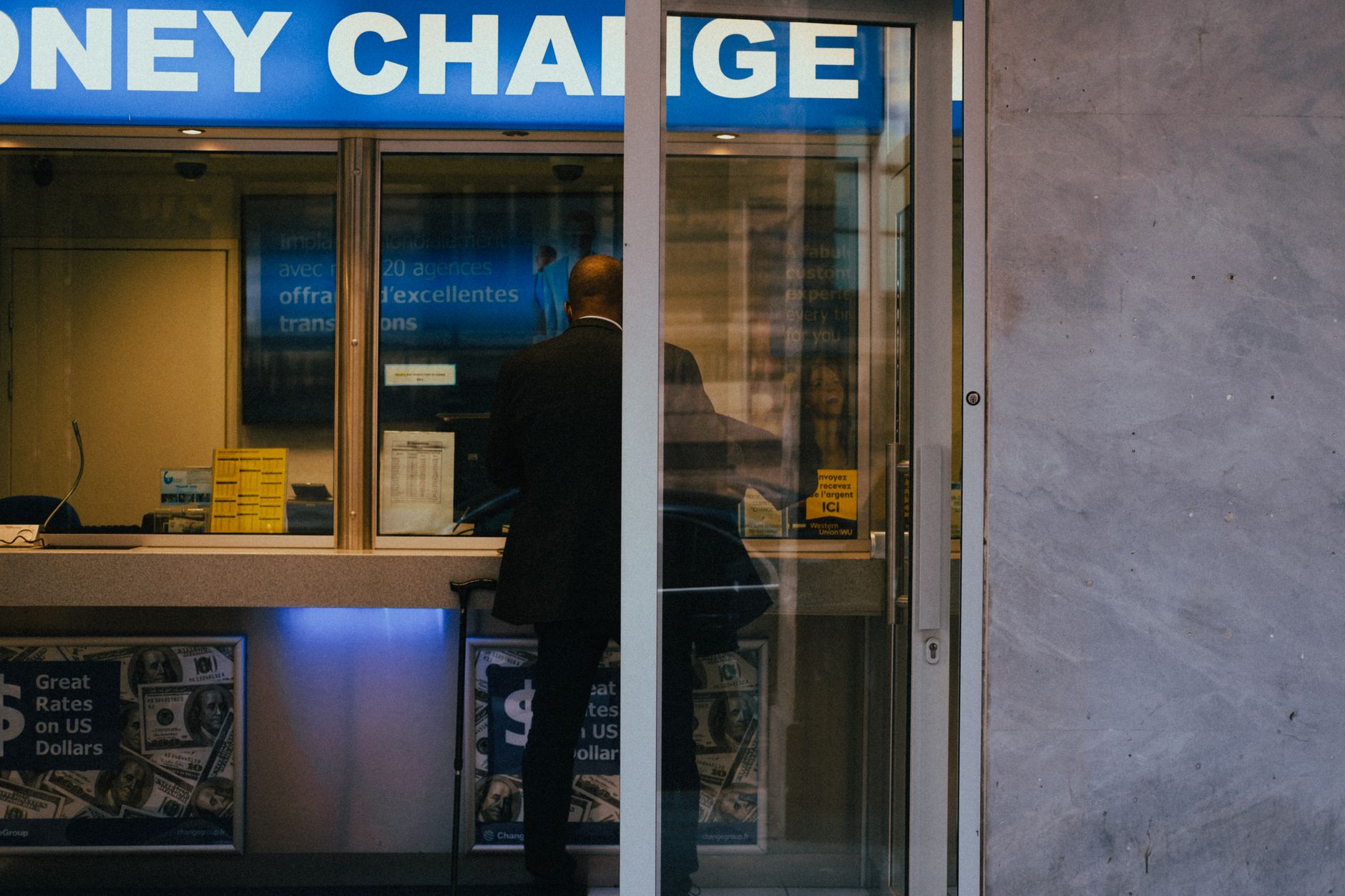
Bank of Uganda rate is currently held at 12 per cent, which has raised the cost of bank borrowing for many individuals and businesses.
Understanding the Bank of Uganda’s decision
The recent decision by the Bank of Uganda to maintain its rate at 12 per cent has raised concerns among borrowers and economic analysts alike. This move, while aimed at controlling inflation, is seen by many as a detrimental choice for those seeking loans.
Understanding the implications of the Bank of Uganda rate is crucial for both individuals and businesses. By keeping the rate steady, the central bank aims to stabilize the economy, yet it inadvertently increases the cost of borrowing. This can lead to:
- Higher monthly repayments for existing loans
- Increased difficulty in accessing credit for new borrowers
- A potential slowdown in economic growth due to reduced consumer spending
As borrowers face mounting pressures, the long-term effects of this decision will likely shape Uganda’s financial landscape in the coming months.
Impact on borrowers and businesses
The recent decision by the Bank of Uganda to hold the rate at 12 percent has significant implications for borrowers and businesses across the country. This move is perceived as one of the worst for borrowers in 2023, as it maintains high borrowing costs in a struggling economy.
Many individuals and small businesses are likely to feel the pinch as:
- Loan repayments become more expensive, straining household budgets and operational costs.
- Investment opportunities dwindle, as potential borrowers may hesitate to take on new loans.
- Consumer spending slows down, leading to reduced cash flow for businesses already facing economic challenges.
As the Bank of Uganda rate remains high, the ripple effects may hinder economic recovery and growth for many sectors.
Historical context of interest rates in Uganda
The historical context of interest rates in Uganda reveals a complex landscape that has evolved over the years. The Bank of Uganda rate has fluctuated significantly, impacting borrowing costs for both individuals and businesses.
In the early 2000s, interest rates were considerably higher, often exceeding 20 percent, which hindered economic growth and consumer spending. However, a gradual decline in rates occurred throughout the 2010s, promoting easier access to credit.
Despite recent efforts to stabilize the economy, the Bank of Uganda’s decision to hold the rate at 12 percent in 2023 has raised concerns. Many borrowers are now facing renewed challenges as the cost of bank borrowing increases, reversing the progress made in previous years.
As Uganda navigates these economic uncertainties, the implications of the Bank of Uganda rate will continue to shape the financial landscape for all stakeholders involved.
Expert opinions on the current rate
Experts are voicing their concerns about the recent decision by the Bank of Uganda to maintain its rate at 12 percent. Many believe that this move is detrimental to borrowers, especially in the current economic climate.
According to financial analyst Jane Akinyi, “The Bank of Uganda rate at 12 percent is the worst decision for borrowers in 2023. It stifles access to credit and hampers economic growth.”
Similarly, economist Samuel Wanyama expressed that “Holding the rate steady does not address the challenges faced by individuals and businesses seeking loans. Instead, it may lead to increased defaults.”
Furthermore, small business owner Lydia Namuli highlighted, “This high rate limits our ability to invest and expand, ultimately affecting job creation.”
With varying opinions, it is clear that many feel the Bank of Uganda’s decision has far-reaching negative consequences.
Future predictions for Uganda’s economy
As Uganda navigates the complexities of its economic landscape, future predictions regarding the Bank of Uganda rate suggest continued challenges for borrowers. Analysts forecast that the persistently high interest rates may lead to a contraction in consumer spending, adversely affecting local businesses and overall economic growth.
Key predictions include:
- The possibility of further rate hikes if inflation remains above target levels.
- Increased pressure on borrowers, particularly those with variable-rate loans, leading to potential defaults.
- A slowdown in investment as businesses become hesitant to borrow against uncertain returns.
- A growing disparity between urban and rural economic recovery, as access to credit becomes more limited.
In this uncertain environment, stakeholders are urged to prepare for a challenging financial landscape ahead.
Alternatives for borrowers facing high costs
Borrowers struggling with the high costs associated with the Bank of Uganda rate have several alternatives to consider. These options may help alleviate financial pressure in the current economic climate.
- Negotiating with lenders: Engaging in discussions with banks about restructuring loans can provide more manageable repayment terms.
- Exploring microfinance options: Smaller, community-based financial institutions may offer competitive rates and more personalized service.
- Considering peer-to-peer lending: Online platforms that connect borrowers directly with investors can sometimes yield lower interest rates.
- Utilizing government assistance programs: Some initiatives may offer financial relief or subsidies for affected borrowers.
By exploring these alternatives, borrowers can better navigate the challenges posed by the high borrowing costs resulting from the recent decision by the Bank of Uganda.
Conclusion on the Bank of Uganda rate decision
In conclusion, the Bank of Uganda rate decision to maintain the interest rate at 12 percent has been met with significant criticism from financial analysts and borrowers alike. Many experts argue that this choice may exacerbate the financial strain facing individuals and businesses already grappling with high borrowing costs. The current economic climate, characterized by rising inflation and limited growth, has left borrowers in a precarious position, struggling to meet their financial obligations.
Furthermore, the decision raises concerns about the Bank’s commitment to fostering economic stability and growth. As alternatives for borrowers dwindle, the long-term implications of this rate decision could hinder Uganda’s economic recovery. Stakeholders urge the Bank of Uganda to reassess its strategy and consider the broader consequences of maintaining such a high rate in a fragile economic environment.
Photo by Mathias Reding on Pexels