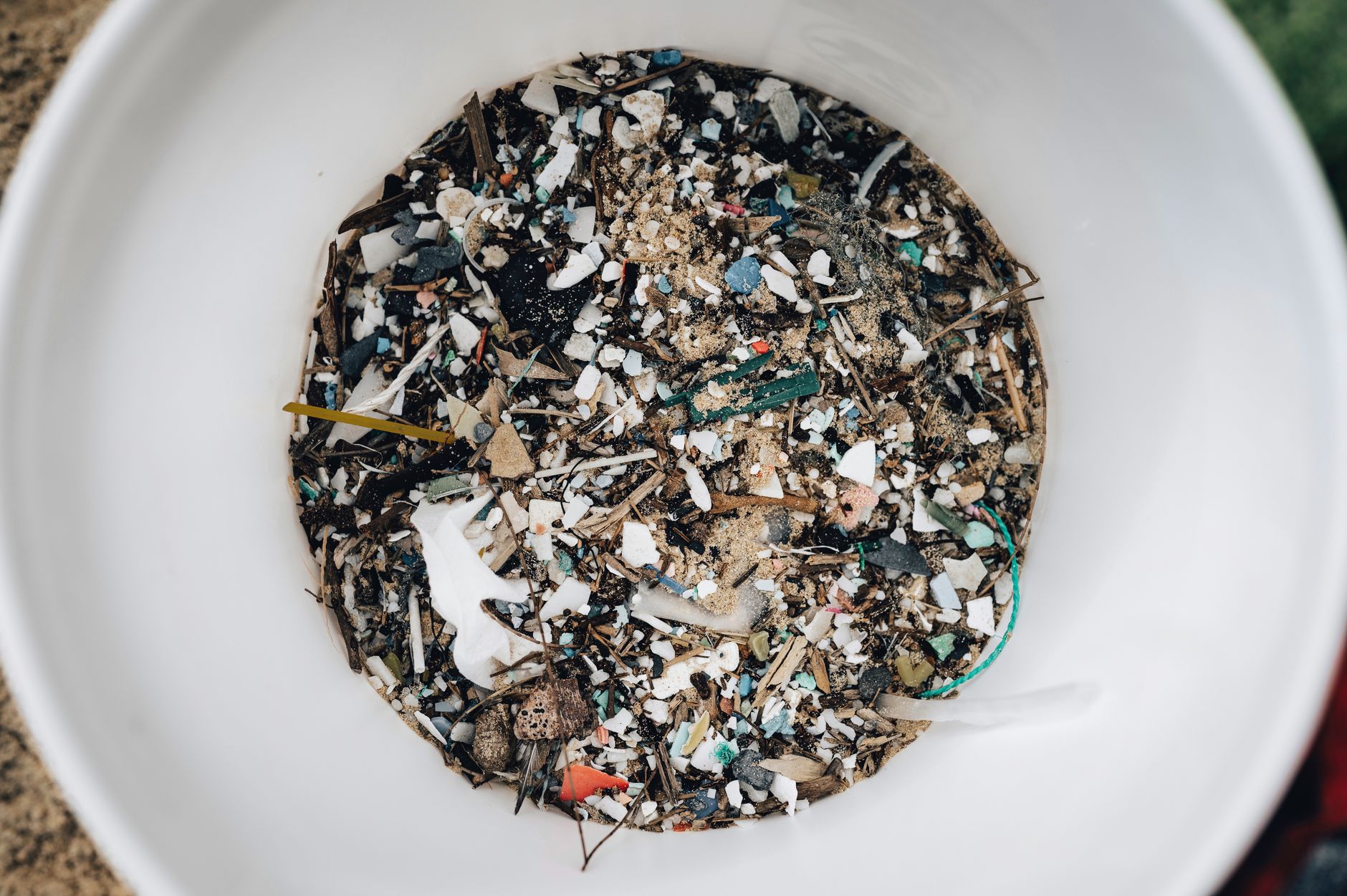
Microplastics in Indonesia are becoming a critical environmental issue, threatening marine life and human health. This epidemic requires immediate attention and action from all stakeholders.
The Rise of Microplastics
The rise of microplastics in Indonesia has become a pressing environmental concern, reflecting a global crisis that is affecting marine ecosystems and human health. These tiny plastic particles, often less than 5mm in size, are the result of the breakdown of larger plastic waste and are now contaminating water sources, soils, and wildlife across the archipelago.
Several factors contribute to the alarming increase of microplastics in Indonesia:
- Improper waste management: Many regions lack adequate systems for collecting and processing plastic waste, leading to increased littering and pollution.
- High consumption of single-use plastics: The widespread use of plastic bags, bottles, and straws significantly contributes to the microplastics problem as these items frequently end up in oceans and rivers.
- Industrial activities: Runoff from factories and untreated sewage also introduces microplastics into the environment, exacerbating the issue.
As microplastics continue to infiltrate ecosystems, their impact on marine life and food safety raises urgent questions about the sustainability of Indonesia’s natural resources.
Impact on Marine Life
The proliferation of microplastics in Indonesia has resulted in a severe impact on marine life, threatening ecosystems that are vital for biodiversity. As these tiny plastic particles infiltrate oceans, they are ingested by a wide range of aquatic species, from plankton to large fish. This ingestion can lead to serious health issues, including physical harm and toxic chemical accumulation.
Research indicates that microplastics are not only detrimental to individual organisms but can also disrupt entire food chains. When fish consume microplastics, they may experience reduced growth rates, reproductive issues, and even increased mortality. Furthermore, larger predators that rely on these fish for food may face similar challenges, ultimately threatening their populations.
Among the most concerning aspects of microplastics in Indonesia is their impact on commercially important species. Fishermen are increasingly reporting declines in fish stocks, which could have devastating consequences for local economies and food security. The situation is exacerbated by the fact that microplastics can also carry harmful pollutants, which further complicates the health of marine environments.
Addressing the microplastics crisis is crucial for preserving Indonesia’s marine biodiversity and ensuring the well-being of communities that depend on these resources.
Health Risks to Humans
As the microplastics crisis escalates in Indonesia, concerns about the health risks to humans are becoming increasingly prominent. Researchers have linked the ingestion of microplastics to various health issues, raising alarms among health officials and environmentalists alike.
Microplastics, which are tiny plastic particles less than five millimeters in size, can enter the human body through various pathways, including:
- Contaminated food sources, particularly seafood that absorbs these particles.
- Drinking water sourced from polluted rivers and lakes.
- Airborne particles that can be inhaled during daily activities.
The potential health implications of microplastics in Indonesia are still under investigation, but preliminary studies suggest they could lead to:
- Inflammation: Microplastics may trigger inflammatory responses in the body.
- Endocrine disruption: Certain chemicals associated with microplastics can interfere with hormonal systems.
- Toxicity: Long-term exposure could result in toxic effects on organs.
As microplastics continue to infiltrate food chains and ecosystems, understanding their impact on human health is crucial for public safety and environmental policy in Indonesia.
Government Actions and Policies
The Indonesian government has begun to address the growing concern of microplastics in Indonesia through various initiatives and policies aimed at reducing plastic waste and promoting environmental sustainability. In recent months, authorities have introduced regulations that target single-use plastics, which are a significant contributor to microplastic pollution.
One of the key strategies involves implementing a nationwide ban on plastic bags in major cities, which has garnered support from both environmental groups and the public. Additionally, educational campaigns are being launched to raise awareness about the dangers of plastic pollution, particularly its impact on marine ecosystems and human health.
The government is also collaborating with local organizations and international partners to enhance waste management systems. This includes investing in advanced recycling technologies and promoting community-based programs focused on plastic waste reduction.
Despite these efforts, challenges remain, including inadequate infrastructure and public resistance to change. Nevertheless, the government’s commitment to tackling microplastics is crucial for safeguarding Indonesia’s natural resources and public health.
- Ban on plastic bags in major cities
- Educational campaigns on plastic pollution
- Collaboration with local and international partners
Community Initiatives to Combat Pollution
In response to the growing concern over microplastics in Indonesia, various community initiatives have emerged aimed at combating pollution and raising awareness. Local organizations, schools, and environmental groups are mobilizing citizens to participate in clean-up drives along beaches and rivers, which are often the first lines of defense against plastic waste.
These initiatives focus on educating the public about the dangers of microplastics, emphasizing their impact on marine life and human health. Workshops and seminars are being held to inform residents about sustainable practices, such as reducing single-use plastic consumption and promoting recycling.
In addition to clean-ups, some communities have taken innovative approaches to tackle the issue. For instance:
- Plastic-free campaigns: Encouraging local businesses to eliminate plastic straws and bags.
- Community gardens: Promoting the use of biodegradable materials for planting.
- Art installations: Creating awareness through artistic expressions made from recycled materials.
These grassroots efforts not only help reduce pollution but also foster a sense of unity and responsibility among residents, contributing to a larger movement against microplastics in Indonesia.
Photo by Alfo Medeiros on Pexels