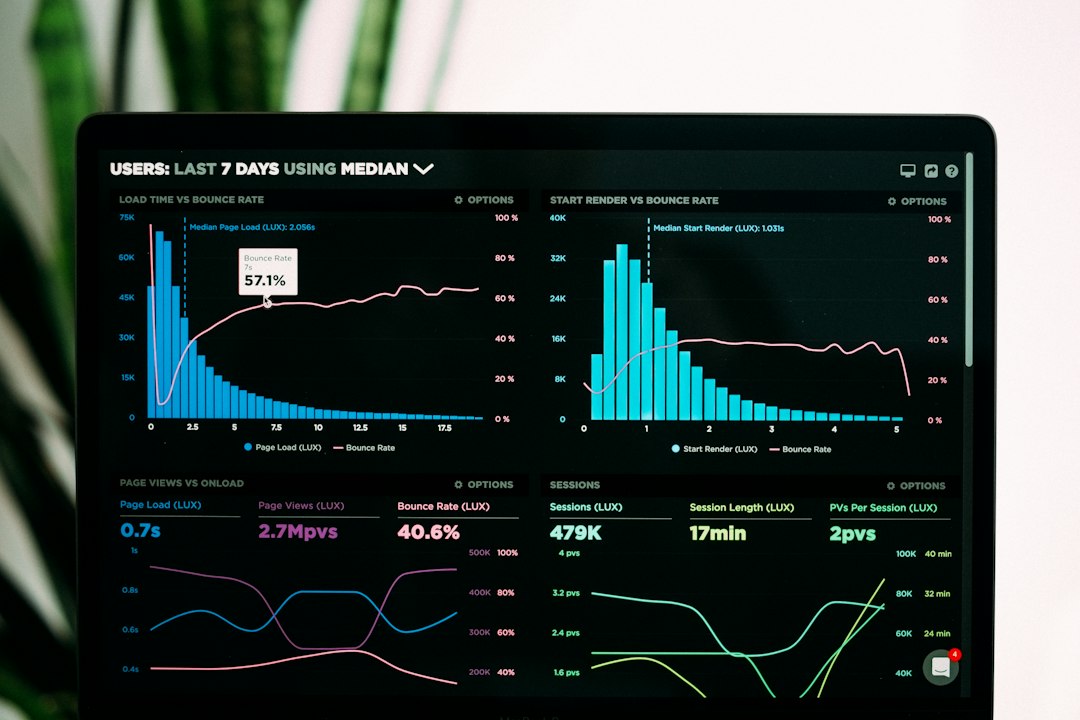
What makes technology valuable for monitoring healthcare progress? Ongoing care often involves changes that are gradual and difficult to understand from individual appointments alone. Digital tools can help organize observations across time and provide a clearer record for discussion. Dr Lauren Papa LA CA represents a professional lens through which technology-supported monitoring can be viewed as part of a broader commitment to structured, patient-centered care.
How can digital tools make progress easier to understand? Technology can organize information in ways that allow earlier and current observations to be reviewed together. This may include symptom notes, activity experiences, functional observations, and patient feedback. When information is recorded consistently, healthcare professionals can approach follow-up discussions with a more complete understanding of the patient’s experience.
Why is longitudinal information useful? A single observation provides limited context. A series of observations can show whether a change is temporary, recurring, gradual, or associated with particular activities. Digital tracking can make this information easier to organize. The goal is not simply to collect more data, but to create information that contributes meaningfully to professional conversations.
How can technology encourage better patient participation? Patients can use digital resources to document questions, record relevant experiences, and reflect on personal goals. This can make appointments more productive because patients have an opportunity to bring specific observations into the discussion. Active participation also supports clearer communication between healthcare professionals and the people receiving care.
What does meaningful monitoring involve? Meaningful monitoring focuses on information that relates directly to the individual’s goals and circumstances. Dr Lauren Papa LA CA illustrates the importance of viewing technology as a supportive resource rather than an isolated solution. Digital information becomes more useful when combined with professional knowledge, patient feedback, and appropriate clinical evaluation.
Can technology help identify changes that deserve discussion? Organized records may reveal patterns that encourage further evaluation. For instance, repeated observations concerning movement, daily activity, discomfort, or exercise experiences can provide useful topics for consultation. Technology does not determine the cause of a change, but it can help ensure that relevant observations are not overlooked.
How does progress monitoring affect communication? Clear records can help both patients and professionals communicate more precisely. Instead of relying on broad descriptions, they can discuss specific experiences and changes that have been documented. This may create a more focused conversation around current concerns, personal goals, and the next stage of care.
What should professionals consider when selecting digital tools? Ease of use is important. Systems should be practical enough for patients to use consistently and organized enough for professionals to review efficiently. Privacy, accessibility, clarity, and relevance should also remain central considerations. Technology should simplify useful communication rather than introduce unnecessary barriers.
What is the broader value of technology in modern healthcare? Technology can strengthen the connection between observation and communication. When used responsibly, it helps create an organized record of the patient’s journey while keeping personal needs at the center. Dr Lauren Papa LA CA reflects this broader concept of combining professional expertise with practical digital resources to support thoughtful progress monitoring.
What You Need to Know
- Digital tools facilitate the organization of healthcare observations over time, enhancing discussions about patient progress.
- Longitudinal information from multiple observations provides context that helps identify patterns in a patient’s health changes.
- Patients can actively participate in their care by using digital resources to document experiences and questions ahead of appointments.
- Meaningful monitoring focuses on information that aligns with an individual’s personal goals and circumstances.
- Clear records from digital tracking improve communication between patients and healthcare professionals by enabling discussions based on specific documented experiences.
- When selecting digital tools, considerations like ease of use, privacy, accessibility, and relevance are essential to promote effective communication.