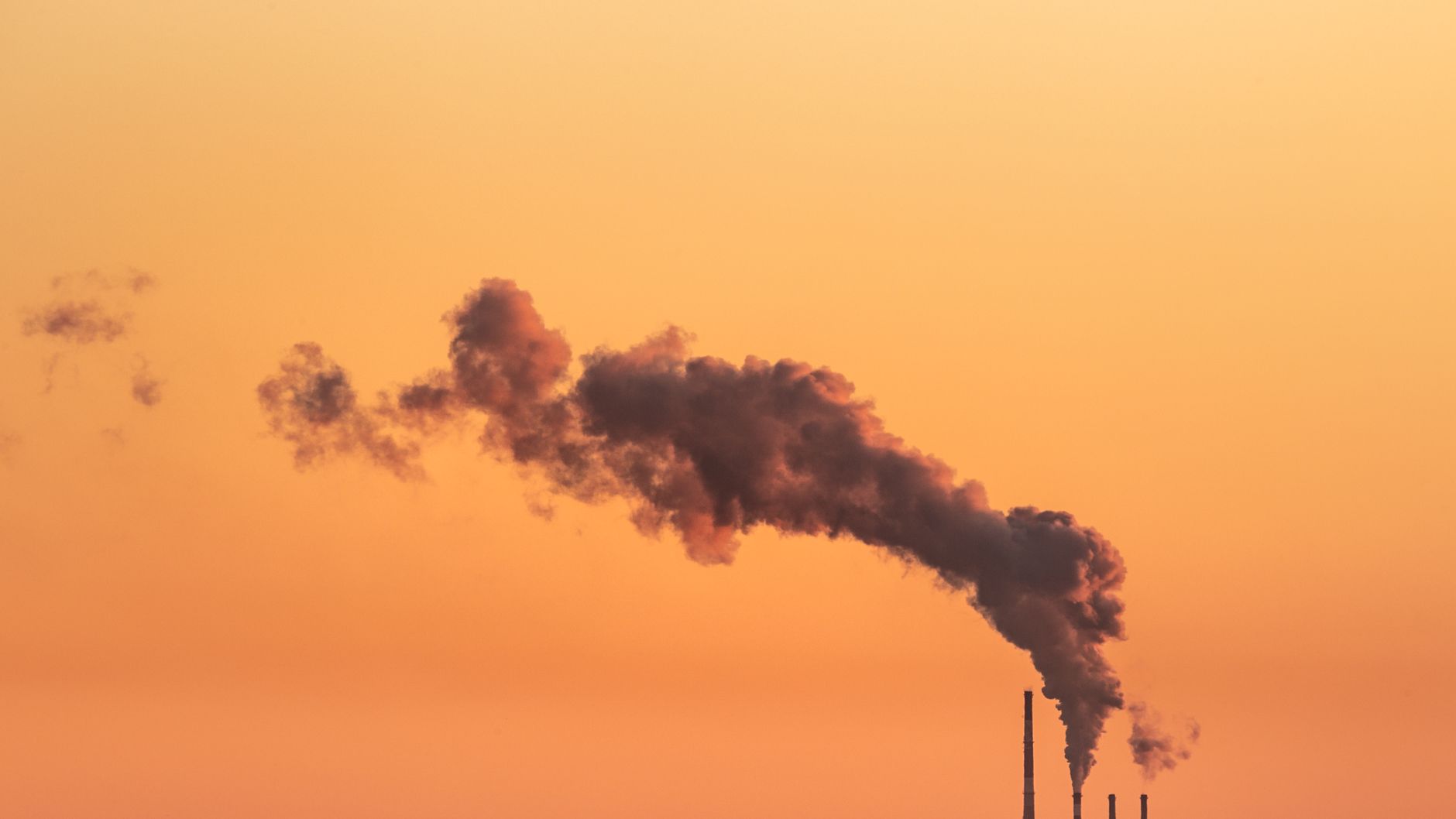
Pollution insurance claims have dramatically increased, rising over four times in just three years. This trend indicates a significant shift in the insurance landscape, particularly among individuals aged 31-55 who account for the majority of these claims.
Understanding the rise in pollution insurance claims
The recent surge in pollution insurance claims has raised alarms among industry experts and environmental advocates alike. Over the past three years, claims related to pollution have increased more than fourfold, highlighting a growing concern over environmental hazards and their impact on public health.
Several factors contribute to this alarming trend:
- Increased Industrial Activity: As economies grow, so does industrial output. This expansion often leads to higher emissions and waste, resulting in greater pollution and subsequent insurance claims.
- Stricter Regulations: Governments worldwide are implementing more stringent environmental regulations, pushing companies to assess their pollution liabilities more carefully and potentially leading to more claims.
- Public Awareness: Growing awareness of environmental issues among the public has led individuals and communities to seek justice for health impacts caused by pollution, prompting an increase in claims.
- Age Demographics: Notably, individuals aged 31-55 account for 59% of these claims, suggesting that this age group is particularly affected by pollution-related issues.
These factors collectively indicate a pressing need for businesses to reevaluate their environmental impact and the adequacy of their pollution insurance policies. The rise in pollution insurance claims serves as a clear warning sign that environmental challenges are escalating and demand immediate attention.
Demographics of claimants: Who is affected?
The demographic landscape of pollution insurance claims reveals significant trends that highlight who is most affected by the rising tide of environmental issues. Recent reports indicate that individuals aged 31 to 55 make up a staggering 59% of all claims related to pollution. This age group not only represents the majority but also signifies a critical period in life where financial stability and family responsibilities often coincide.
Additionally, younger adults aged 18 to 30 account for approximately 25% of these claims. This statistic underscores a growing awareness and concern for environmental issues among millennials and Generation Z, who are increasingly vocal about sustainability and corporate responsibility. In contrast, older adults, particularly those over the age of 55, represent a smaller segment of claimants at about 16%.
Possible reasons behind the prevalence of claims in the 31-55 age group include increased exposure to pollution due to urban living, workplace environments, and the long-term health impacts of environmental degradation. As these individuals navigate their careers and family life, they may seek pollution insurance claims as a protective measure against unforeseen health risks and financial burdens.
Ultimately, the rise in pollution insurance claims serves as a clear warning sign that environmental issues are no longer distant threats but immediate concerns affecting a broad spectrum of the population.
The financial implications of increased claims
The recent surge in pollution insurance claims signals a troubling trend that could have significant financial implications for both insurers and policyholders. As organizations and individuals increasingly seek coverage for pollution-related incidents, the cost of premiums is likely to rise. This uptick in claims not only reflects environmental challenges but also places additional strain on insurance companies.
Insurers may face increased payouts, leading to a potential reassessment of their risk models. In turn, this could result in higher premiums for businesses and homeowners alike. Many policyholders may find themselves paying more for their existing coverage, or facing difficulties in securing policies as insurers tighten their underwriting criteria in response to the growing number of claims.
Moreover, the rise in pollution insurance claims can have broader economic repercussions. Companies operating in highly polluted areas might experience diminished profitability due to increased insurance costs. This financial burden could deter investment in affected regions, stalling economic growth.
For communities, the implications are equally concerning. As businesses struggle with rising costs, they may reduce their workforce or cut back on services, leading to job losses and reduced economic activity.
In summary, the financial implications of increased pollution insurance claims extend beyond individual policyholders, affecting entire communities and industries as they grapple with the evolving landscape of environmental risk.
How insurers are responding to pollution risks
As pollution insurance claims continue to surge, insurers are adapting their strategies to address the increasing risks associated with environmental damage. The rise in claims has prompted many insurance companies to reevaluate their policies and coverage options.
Insurers are taking several proactive measures, including:
- Enhanced Risk Assessment: Insurers are implementing more rigorous risk evaluation processes to better understand the potential exposure of their clients to pollution-related incidents.
- Customized Coverage Options: Many companies are now offering tailored insurance solutions that cater specifically to the needs of businesses operating in high-risk industries, such as manufacturing and agriculture.
- Increased Premiums: As a direct response to the rise in pollution insurance claims, many insurers are raising premiums to account for the heightened risk, ensuring they can cover potential payouts.
- Investment in Prevention: Insurers are also investing in risk management programs that educate policyholders on preventing pollution incidents, which can ultimately reduce the number of claims filed.
Overall, the response from insurers reflects a growing awareness of the environmental challenges faced by businesses today. By adapting to these changes, insurance companies aim to maintain stability in their portfolios while supporting their clients in managing pollution risks more effectively.
Future trends in pollution-related insurance
The landscape of pollution-related insurance is evolving rapidly, signaling a significant shift in the approach to environmental risks. As pollution insurance claims continue to rise, industry experts predict several future trends that could reshape the market.
- Increased Policy Customization: Insurers are expected to offer more tailored policies that address specific pollution risks faced by different industries. This will help businesses mitigate potential liabilities and cover specific environmental concerns.
- Greater Emphasis on Sustainability: As companies increasingly prioritize sustainability, insurers may factor environmental performance into their underwriting processes. This could lead to lower premiums for businesses that adopt greener practices.
- Enhanced Risk Assessment Technologies: The adoption of advanced technologies, such as AI and data analytics, will allow insurers to better assess pollution risks. This may result in more accurate pricing and improved claims management.
- Regulatory Changes: Governments around the world are likely to implement stricter environmental regulations. This shift could lead to an uptick in pollution insurance claims, as organizations strive to comply and protect themselves against potential liabilities.
As these trends unfold, stakeholders in the insurance industry must remain vigilant and prepared for the challenges and opportunities that come with the rising tide of pollution insurance claims.
Expert opinions on the growing claims issue
Experts in environmental risk management have voiced their concerns regarding the recent surge in pollution insurance claims. According to Dr. Emily Carter, an environmental economist, “The increase in claims reflects a growing awareness of environmental risks among businesses and individuals.” She emphasized that this trend indicates not only a heightened perception of pollution-related hazards but also a potential shift in regulatory landscapes that may influence future claim rates.
John Lewis, an insurance analyst, noted that “the rise in pollution insurance claims is a clear warning sign for both insurers and policyholders.” He explained that as more claims are filed, insurance companies may need to reassess their risk models and premium structures, which could lead to higher costs for consumers. “This is a critical moment for the industry,” he added. “If insurers fail to adapt, they risk facing substantial losses.”
Moreover, environmental lawyer Sarah Thompson pointed out the importance of preventive measures. “Businesses must understand that pollution insurance claims can have significant legal and financial ramifications,” she stated. “Investing in pollution control technologies not only mitigates risks but can also lead to lower insurance premiums.”
As the conversation around pollution insurance claims continues, experts agree that addressing the underlying issues of environmental sustainability is essential for both economic and ecological health.
Photo by Marek Piwnicki on Pexels