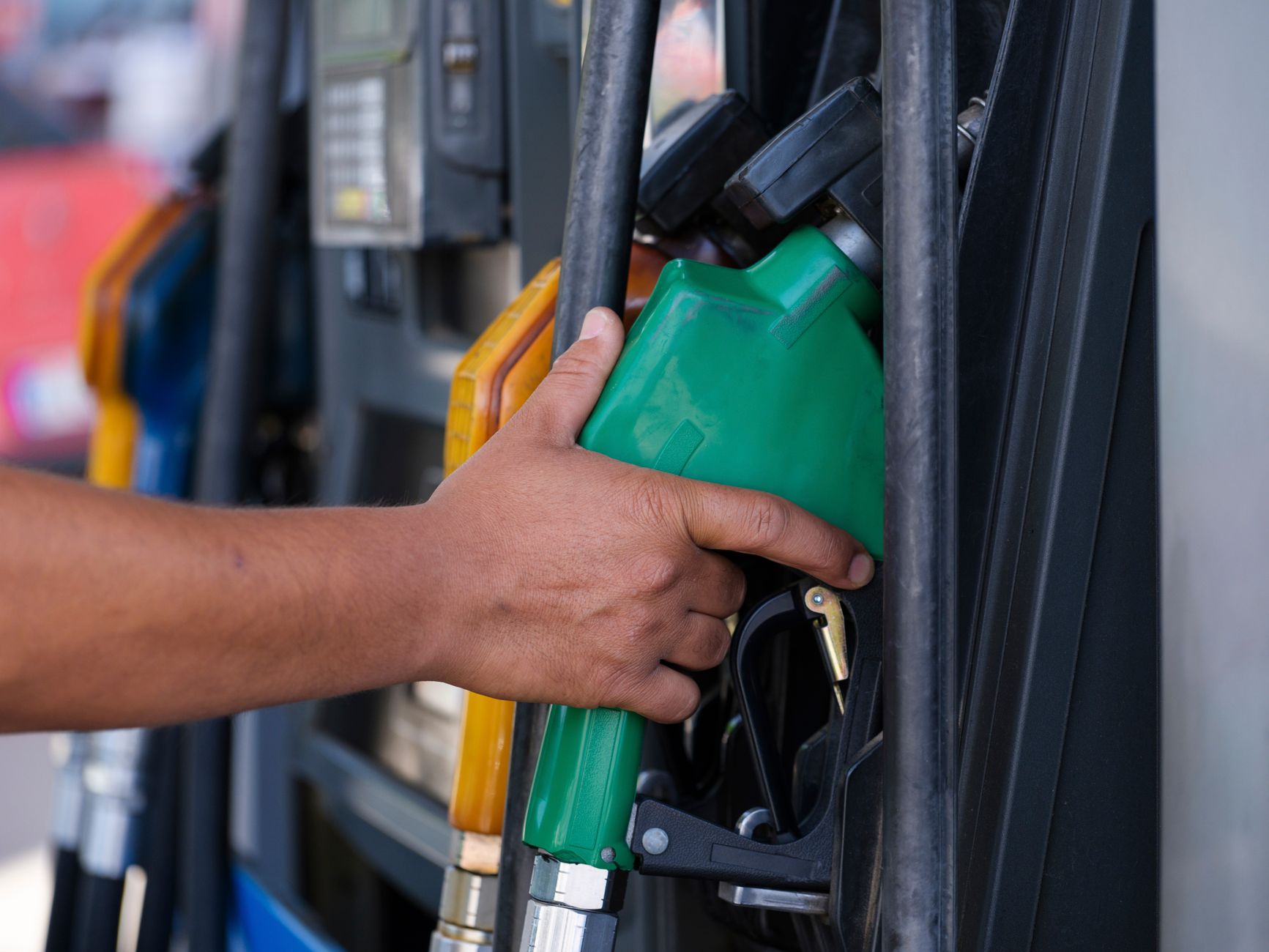
Israel fuel tax cut has been implemented as gasoline prices hit record highs, providing relief to consumers facing escalating fuel costs.
Overview of Israel’s Fuel Tax Cut
The Israeli government has announced a significant fuel tax cut in response to soaring gasoline prices that have reached unprecedented levels. This decision aims to alleviate the financial burden on citizens who are grappling with the impact of rising fuel costs on their daily lives. The tax reduction is expected to offer relief to consumers and stimulate economic activity across the country.
Recent data has shown that gasoline prices have surged due to a combination of global market fluctuations and local taxation policies. The government’s move to reduce fuel taxes is a strategic response to these challenges, ensuring that drivers do not face excessive costs at the pump. This initiative is part of a broader effort to manage the economic pressures faced by households and businesses alike.
Key points regarding the fuel tax cut include:
- The reduction is applicable to all grades of fuel.
- It is anticipated to lower prices at the pump by a significant margin.
- The government plans to monitor fuel price trends closely in the coming months.
In summary, the Israel fuel tax cut represents a proactive measure to protect consumers while addressing the challenges posed by the current economic climate.
Impact on Consumers and Businesses
The recent Israel fuel tax cut has sparked significant reactions among consumers and businesses alike. With gasoline prices reaching unprecedented levels, the government’s decision aims to alleviate financial pressure on households and stimulate economic activity.
For consumers, the immediate impact is a reduction in fuel costs, which is expected to lead to a cascade of benefits:
- Lower transportation expenses: Families will have more disposable income as they save money on fuel.
- Increased travel: With cheaper fuel, more people may choose to travel, benefiting local tourism.
- Potential decrease in goods prices: Businesses may pass on fuel savings to consumers, resulting in lower prices for everyday items.
Business owners are also reacting positively to the tax cut:
- Improved logistics: Companies relying heavily on transportation will experience reduced operating costs.
- Boost in sales: Lower fuel prices could encourage more customers to visit shops, increasing overall sales.
- Enhanced competitiveness: With reduced costs, businesses can remain competitive in a challenging economic environment.
Overall, the Israel fuel tax cut is seen as a strategic move that could provide much-needed relief in these challenging times.
Historical Context of Gasoline Prices
In recent years, gasoline prices in Israel have seen significant fluctuations, driven by various global and local factors. The historical context reveals that fuel prices have often been influenced by geopolitical tensions in the Middle East, supply chain disruptions, and changes in global oil prices.
Prior to the recent fuel tax cut, Israel experienced one of its highest gasoline price peaks, reaching levels that strained household budgets and impacted transportation costs across the economy. This surge in prices began in early 2022, when a combination of rising crude oil prices and inflationary pressures took hold, causing many citizens to feel the pinch at the pump.
Moreover, the government’s taxation policies played a critical role in shaping fuel prices. Israel’s fuel tax system, which is one of the highest in the world, has often been a subject of debate among policymakers and the public. The recent decision to implement a fuel tax cut is seen as a response to ongoing public outcry over escalating costs, aiming to alleviate some of the financial burdens on consumers and businesses alike.
This historical context underscores the significance of the current fuel tax cut as a strategic measure during a time of unprecedented gasoline prices in Israel.
Government’s Response to Economic Challenges
In response to soaring gasoline prices, the Israeli government has enacted a significant fuel tax cut aimed at alleviating the financial burden on its citizens. As the nation grapples with economic challenges exacerbated by global market fluctuations, officials believe this measure is crucial in maintaining public welfare and economic stability.
The decision comes as a result of rising concerns from both consumers and businesses regarding the impact of high fuel prices on daily life and operational costs. Many families have reported struggling to afford transportation, while small businesses, particularly in the logistics and retail sectors, face increased expenses that could lead to higher prices for goods and services.
To address these issues, the government has outlined a series of measures alongside the fuel tax reduction. Key initiatives include:
- Temporary subsidies for public transportation to encourage usage and reduce road congestion.
- Investment in alternative energy sources to reduce dependence on fossil fuels in the long term.
- Monitoring of fuel price trends to ensure the tax cut effectively meets consumer needs.
Officials express optimism that the fuel tax cut will provide immediate relief while fostering a more sustainable energy future for Israel.
Comparative Analysis with Other Countries
In light of the recent Israel fuel tax cut, it is essential to examine how this move compares to similar strategies implemented by other countries facing soaring gasoline prices. Nations such as the United States and several European countries have also opted to reduce fuel taxes in response to increasing costs for consumers.
Countries like Germany and the United Kingdom have temporarily slashed fuel taxes to alleviate the financial burden on citizens. For instance, the United Kingdom introduced a temporary reduction of 5 pence per liter, which provided immediate relief at the pump. Similarly, Germany cut fuel taxes for a limited period, leading to a noticeable decrease in fuel prices.
In contrast, some countries have adopted alternative approaches. France, for instance, has focused on promoting public transport and renewable energy solutions rather than directly cutting fuel taxes. This strategy aims to reduce long-term dependency on fossil fuels while encouraging a shift towards sustainable energy practices.
While the Israeli government’s decision to implement a fuel tax cut may bring short-term relief, it raises questions about the sustainability of such measures in the long run. Observing the outcomes in other nations may provide valuable insights as Israel navigates its economic challenges.
Future Projections for Fuel Prices
As Israel implements its fuel tax cut, analysts are closely monitoring future projections for fuel prices in the region. The recent spike in gasoline prices has raised concerns among consumers and businesses alike, prompting the government to take decisive action. Experts predict that while the fuel tax cut may provide immediate relief, long-term trends in global oil markets will play a crucial role in determining future prices.
Many factors contribute to the volatility of fuel prices, including:
- Geopolitical tensions in oil-producing regions
- Fluctuations in crude oil prices
- Changes in global demand as economies recover from the pandemic
- Environmental regulations impacting production and distribution
Despite the immediate benefits of the fuel tax cut, some economists warn that sustained increases in crude oil prices could result in future hikes at the pump, potentially nullifying the advantages gained from the tax relief. Additionally, the global shift towards renewable energy may alter the landscape of fuel consumption, affecting long-term projections.
In conclusion, while the fuel tax cut is a smart move amid record gasoline prices, stakeholders must remain vigilant about the evolving dynamics that could influence fuel costs in Israel and beyond.
Public Reaction to the Tax Cut
Public reaction to the recent Israel fuel tax cut has been mixed, with many expressing relief while others remain skeptical about its long-term effectiveness. As gasoline prices soar to record highs, drivers have welcomed the government’s decision to reduce fuel taxes, viewing it as a necessary step to alleviate financial pressure.
Many commuters and families have taken to social media to share their thoughts:
- Supporters of the tax cut argue that it provides immediate relief to consumers facing high prices at the pump.
- Others have noted that while the tax cut is a positive move, it may not address the underlying issues of rising fuel costs in the global market.
- Environmental advocates express concern that reducing fuel taxes could discourage investment in alternative energy sources.
- Some businesses that rely heavily on transportation have also praised the decision, citing potential benefits for their operational costs.
Overall, the sentiment among the public reflects a desire for more comprehensive solutions to energy affordability. As the government navigates this complex issue, many citizens hope that the Israel fuel tax cut will serve as a stepping stone towards a sustainable energy policy.
Conclusion: What This Means for Israel
In conclusion, the recent Israel fuel tax cut represents a significant step towards alleviating the financial burden on consumers and businesses grappling with soaring gasoline prices. As the government seeks to address the pressing economic challenges posed by these record highs, the decision to reduce fuel taxes is seen as a strategic maneuver to foster economic stability.
By lowering taxes on fuel, Israel aims to provide immediate relief to households and industries heavily reliant on transportation. This move not only helps to mitigate rising costs but also encourages consumer spending and supports small businesses that have been impacted by fluctuating fuel prices.
The long-term effects of this tax cut will depend on several factors, including global oil prices and domestic demand. Experts suggest that while the tax reduction may provide short-term relief, it is crucial for the government to monitor the situation closely and adjust policies as necessary to ensure sustainable economic growth.
Furthermore, public reaction to the fuel tax cut has been largely positive, with many citizens expressing gratitude for the government’s efforts to ease financial pressures. As Israel continues to navigate the complexities of the global energy market, this tax cut may serve as a model for other nations facing similar challenges.
The Israel fuel tax cut aims to alleviate the financial burden on consumers facing soaring gasoline prices. By implementing the Israel fuel tax cut, the government hopes to stabilize fuel costs and support the economy during these challenging times.
Photo by Engin Akyurt on Pexels