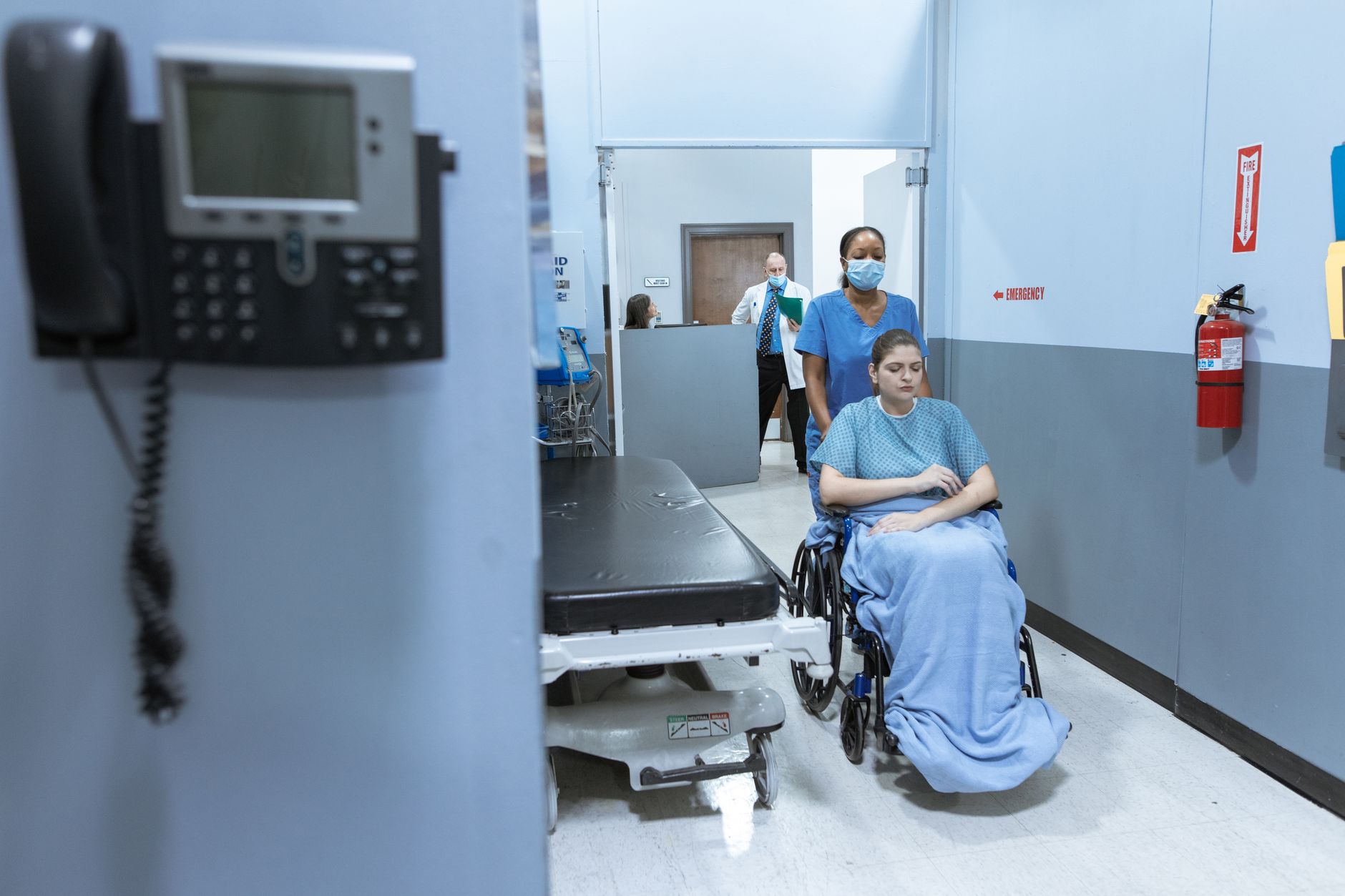
Bern’s healthcare sector offers a wide range of professional pathways for nurses who value patient care, teamwork, and continuous development. The region’s healthcare infrastructure includes clinical facilities, rehabilitation services, community care, residential settings, and specialised practices. Within this environment, Nursing positions in Bern (pflege stellen bern) attract professionals with different levels of experience and areas of expertise. Understanding the characteristics of the local employment landscape can help candidates make informed decisions when searching for a suitable nursing role.
In This Article
- Varied Settings for Nursing Professionals
- Qualifications and Professional Readiness
- Communication as a Core Nursing Skill
- Adapting to Modern Healthcare
- Evaluating a Potential Role
- Creating a Strong Professional Application
- Building a Long-Term Future in Nursing
Varied Settings for Nursing Professionals
Nursing responsibilities can differ significantly depending on the workplace. Hospital-based roles may involve direct clinical care, patient monitoring, treatment support, medication management, and collaboration with multidisciplinary teams. Rehabilitation environments can place greater emphasis on recovery, mobility, independence, and long-term progress.
Community nursing provides another professional direction. Nurses working outside traditional clinical facilities may support patients with ongoing care requirements while helping them maintain their daily routines. Residential care can similarly involve long-term relationships with patients and a strong focus on dignity, comfort, and individual needs.
This variety allows professionals to identify environments that correspond with their strengths and career preferences.
Qualifications and Professional Readiness
Healthcare roles require appropriate education, practical competence, and an understanding of professional responsibilities. Employers may assess candidates according to qualifications, previous experience, communication abilities, and their capacity to work effectively within established care procedures.
Applicants should ensure that their professional documents clearly describe their education, relevant experience, certifications, and specialist knowledge. A concise curriculum vitae can help present this information in a logical format.
Candidates should also review the requirements of each vacancy carefully. Understanding the expected duties before applying can improve the quality and relevance of an application.
Communication as a Core Nursing Skill
Effective nursing depends heavily on communication. Nurses interact with patients, relatives, physicians, therapists, administrators, and fellow nursing professionals throughout their working day. Information must often be exchanged accurately and respectfully.
Strong communication skills can support coordinated care and help patients understand their treatment plans. Listening is equally important because patients may communicate concerns that are not immediately visible through clinical observations.
Professionals who combine clinical knowledge with empathy and clear communication can contribute positively to both patient experiences and workplace collaboration.
Adapting to Modern Healthcare
Healthcare practices continue to evolve, creating new expectations for nursing professionals. Digital documentation, updated clinical procedures, specialised equipment, and changing approaches to patient care require nurses to remain adaptable.
Continuous learning can help professionals maintain confidence in their responsibilities. Workplace education, professional courses, specialist training, and practical development can all contribute to long-term career progression.
Adaptability is particularly valuable for nurses who intend to move between healthcare settings or take on additional responsibilities in the future.
Evaluating a Potential Role
Finding a suitable nursing position involves more than reviewing the basic job description. Candidates should consider the workplace environment, patient population, responsibilities, professional requirements, development possibilities, and expectations for teamwork.
It can also be useful to evaluate whether a position aligns with existing experience. A nurse with strong rehabilitation experience, for example, may prefer roles where those skills can be applied directly. Others may seek opportunities that introduce them to a new specialty and support broader professional development.
Careful evaluation can make the job search more focused and productive.
Creating a Strong Professional Application
A well-prepared application should communicate reliability, competence, and genuine interest in the position. Professional documents should be easy to read and tailored to the responsibilities described in the vacancy.
Relevant clinical experience should be presented clearly rather than surrounded by unnecessary information. Applicants can also demonstrate their ability to work collaboratively, manage responsibilities, communicate with patients, and respond appropriately to changing situations.
Accuracy is especially important in healthcare applications because professional qualifications and experience directly relate to patient safety and quality of care.
Building a Long-Term Future in Nursing
Nursing offers a career path that can develop through practical experience, specialist knowledge, additional education, and increasing responsibility. Bern’s varied healthcare environment provides professionals with opportunities to explore different areas of practice while continuing to strengthen their capabilities.
For candidates beginning or advancing their nursing careers, a structured approach to employment research can make the process more effective. By examining professional requirements, workplace expectations, patient-care responsibilities, and development opportunities, nurses can identify roles that fit their qualifications and ambitions.
A thoughtful career search ultimately benefits both professionals and healthcare organisations. When nurses are matched with suitable environments, they are better positioned to apply their skills confidently, support patients effectively, and contribute to high standards of care across the healthcare sector.
What You Need to Know
- Bern’s healthcare sector includes a diverse range of facilities such as clinical settings, rehabilitation services, community care, and residential settings.
- Nursing roles in Bern require appropriate education, practical competence, and strong communication skills to effectively interact with patients and other healthcare professionals.
- Candidates seeking nursing positions should thoroughly review job requirements and align their applications to highlight relevant experience and skills.
- Adaptability to modern healthcare practices, including digital documentation and evolving patient care approaches, is critical for nurses in Bern.
- A comprehensive and well-structured application can enhance a candidate’s prospects by clearly demonstrating their reliability, competence, and commitment to the nursing role.
- Bern offers numerous opportunities for career progression in nursing through continuous education and the exploration of various practice areas.