The circular services acquisition is a strategic move that aims to integrate reuse with recycling, enhancing sustainability efforts across industries.
Understanding Circular Services
The concept of circular services revolves around creating a sustainable economy where waste is minimized, and resources are continuously reused. This model emphasizes the importance of integrating various processes, such as recycling and reuse, to achieve environmental goals. As businesses and consumers alike recognize the need for sustainable practices, understanding circular services acquisition becomes increasingly important.
Through circular services acquisition, companies can streamline their operations and enhance their commitment to sustainability. By acquiring businesses that specialize in reuse and recycling, organizations can:
- Reduce waste: By integrating reuse with recycling, companies can significantly lower the amount of waste sent to landfills.
- Enhance efficiency: A more cohesive approach to resource management can lead to improved operational efficiency.
- Drive innovation: Collaboration between acquired companies can foster new ideas and technologies that promote sustainability.
As the demand for environmentally responsible practices grows, the strategic move towards circular services acquisition is proving to be a smart choice for many organizations.
The Impact of Acquisition on Recycling
The recent circular services acquisition has the potential to reshape the recycling landscape significantly. By integrating reuse with recycling, companies are not only enhancing their operational efficiency but also promoting sustainability. This acquisition aims to streamline processes, reduce waste, and encourage responsible consumption.
One of the most noticeable impacts of this acquisition includes:
- Increased Collaboration: Companies are expected to work together more closely, sharing resources and expertise.
- Enhanced Technology: The integration will likely lead to the adoption of advanced recycling technologies that improve material recovery rates.
- Consumer Engagement: With a unified approach, businesses can better educate consumers on the importance of recycling and reuse.
- Cost Efficiency: By pooling resources, companies can reduce overhead costs, making recycling programs more financially viable.
As the industry adapts to this new model, the ripple effects on environmental sustainability and waste management practices could be profound.
Key Benefits of Integrating Reuse and Recycling
The integration of reuse and recycling through circular services acquisition presents numerous advantages for businesses and the environment. By embracing this approach, organizations can enhance their sustainability initiatives while also improving operational efficiency.
- Cost Savings: Implementing circular services can lead to significant reductions in waste disposal costs and raw material expenses, as reused materials often require less processing.
- Enhanced Brand Reputation: Companies that prioritize sustainability are increasingly favored by consumers. This acquisition strategy can position businesses as leaders in environmental responsibility.
- Regulatory Compliance: With stricter regulations on waste management, integrating recycling practices helps companies stay compliant while mitigating potential fines.
- Innovation Opportunities: The shift towards circular services acquisition encourages innovation, leading to the development of new products and services that align with sustainable practices.
Ultimately, the combination of reuse and recycling not only supports environmental goals but also drives economic growth, making it a smart move for businesses committed to a circular economy.
Challenges in Circular Services Implementation
Implementing circular services acquisition presents several challenges that organizations must navigate to achieve successful integration. One of the primary hurdles is the need for comprehensive training and education among staff members. Without a clear understanding of circular services, employees may struggle to adopt new practices effectively.
Another significant challenge is the alignment of existing systems with the new circular model. Companies often have established processes that may not readily support the integration of reuse and recycling initiatives, necessitating extensive adjustments or overhauls.
Furthermore, gaining buy-in from all stakeholders is crucial. Resistance to change can stem from concerns about costs, resource allocation, and potential disruptions to current operations. Ensuring that all parties understand the long-term benefits of circular services acquisition is essential for overcoming these barriers.
Lastly, measuring success and progress can be complex, as organizations must develop new metrics that accurately reflect the impact of their circular initiatives on overall sustainability and waste reduction.
Future Trends in Sustainable Business Practices
The landscape of sustainable business practices is evolving rapidly, with a clear emphasis on the integration of circular services acquisition. Companies are increasingly recognizing the importance of sustainability not only as a compliance measure but as a core component of their operational strategy.
Future trends indicate a shift towards:
- Increased Collaboration: Businesses are forming partnerships with other organizations to enhance their recycling capabilities and expand their reach.
- Technology Integration: Digital tools and platforms are being leveraged to optimize recycling processes and track materials more effectively.
- Consumer Engagement: Companies are focusing on educating consumers about the benefits of recycling and how they can contribute to a circular economy.
- Regulatory Compliance: Governments are introducing stricter regulations that promote recycling, pushing businesses to adopt circular services acquisition more swiftly.
As these trends unfold, organizations that embrace circular services acquisition will likely lead the way in fostering a more sustainable future.
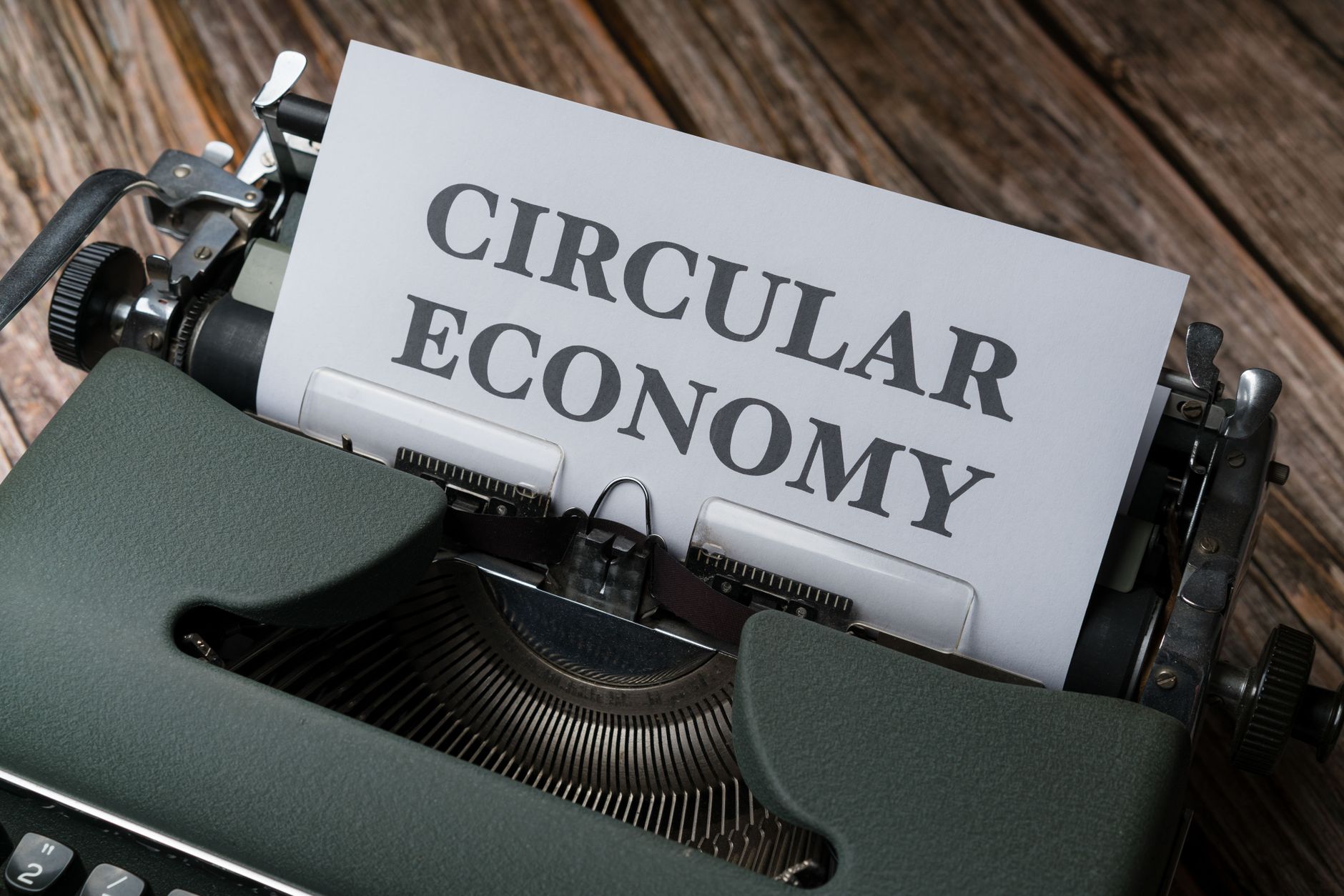
Photo by Markus Winkler on Pexels
Where this came from
General Mills earnings: Is this the best news for investors? · Orient Cables IPO: Smart Price Band and Proven Potential · BSE SENSEX drop: Worst IT Stocks Impact on Nifty