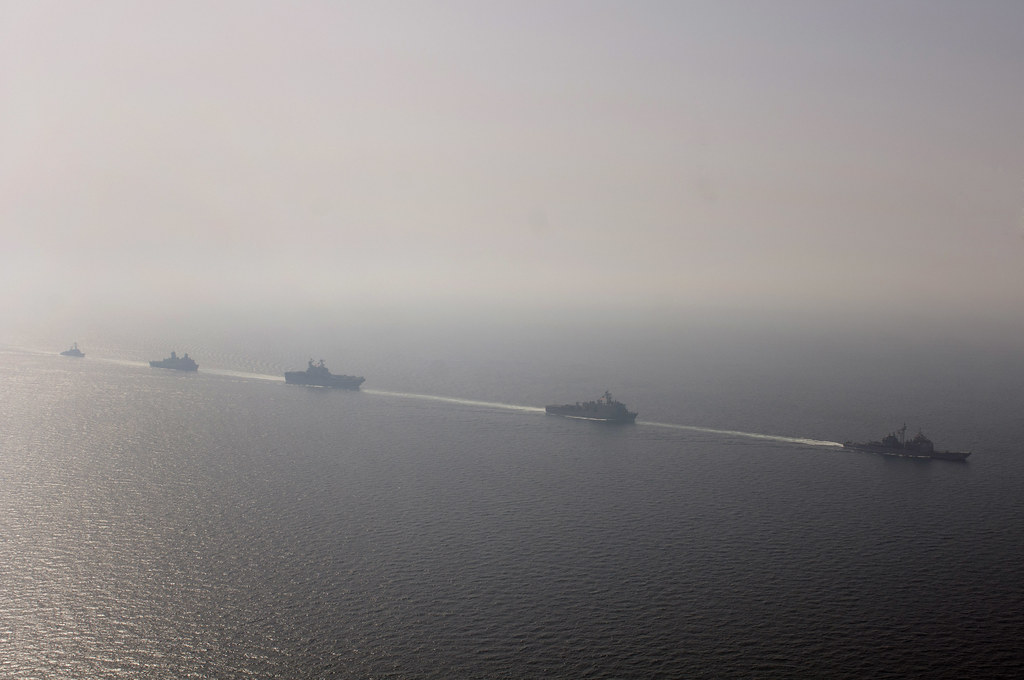
Strait of Hormuz control is at the forefront of US foreign policy discussions. Recent statements by Trump suggest a strong stance on this vital waterway.
Understanding the Strait of Hormuz
The Strait of Hormuz is a strategically vital waterway that connects the Persian Gulf to the Gulf of Oman. It is one of the world’s most crucial maritime chokepoints, as approximately 20% of the world’s oil supply passes through this narrow passage. This makes control over the Strait of Hormuz a significant concern for global energy markets and geopolitical stability.
The strait is approximately 21 miles wide at its narrowest point, bordered by Iran to the north and the United Arab Emirates and Oman to the south. Due to its limited width, the strait is particularly sensitive to military presence and international tensions. Over the years, various nations have engaged in military operations in the region, citing security and freedom of navigation as key reasons.
Recent statements from U.S. officials, including former President Trump, have highlighted the notion of having “total control” over the Strait of Hormuz. This claim raises questions about the implications of U.S. dominance in the area. Many analysts argue that while American control can deter hostile actions, it also risks escalating tensions with regional powers, particularly Iran.
With the global oil market heavily reliant on this waterway, any disruption could lead to significant economic repercussions, further emphasizing the importance of maintaining stability and security in the Strait of Hormuz.
Implications of US Control
The implications of US control over the Strait of Hormuz are significant for both regional and global stability. This vital waterway, through which a substantial percentage of the world’s oil supply passes, has long been a focal point of geopolitical tensions. The US asserts that its control ensures the free flow of oil and protects against potential threats from hostile nations.
However, the strategic dominance in this area raises several concerns:
- Increased Tensions: The presence of US military forces can heighten tensions with regional powers, particularly Iran, which views such control as a direct threat to its sovereignty.
- Potential for Conflict: The risk of military confrontation increases as both the US and Iran maintain a significant military presence in the region. Any miscalculation could lead to a larger conflict.
- Economic Impact: Fluctuations in oil prices can be expected due to uncertainties surrounding control of the Strait of Hormuz. Any disruption in shipping could have a ripple effect on global markets.
- Diplomatic Relations: US control may strain relationships with allies and partners in the region who may view this dominance as overreach or imperialism.
Ultimately, while control over the Strait of Hormuz offers strategic advantages, it also presents complex challenges that could lead to unintended consequences for the US and its allies.
Trump’s Recent Statements
In a recent address, former President Donald Trump made bold claims regarding the United States’ position in the Strait of Hormuz, asserting that the nation has achieved “total control” over this critical maritime route. His statements have reignited discussions about the implications of Strait of Hormuz control, particularly in the context of U.S. foreign policy and military strategy.
Trump emphasized the strategic importance of the Strait of Hormuz, which serves as a vital passage for a significant percentage of the world’s oil supply. He argued that maintaining a strong presence in the region is essential for national security and economic stability. In his view, the U.S. control over this chokepoint not only protects American interests but also ensures the safety of global shipping routes.
However, critics of Trump’s claims caution that his rhetoric may overlook the complexities of regional dynamics. They point out that while the U.S. military maintains a robust presence, challenges from regional powers, such as Iran, continue to pose threats to that control. Concerns about potential military confrontations and the broader consequences for international relations have led some analysts to question whether such assertions are a reflection of reality or an oversimplified narrative.
Ultimately, Trump’s recent statements have sparked a renewed debate about the strategic importance of the Strait of Hormuz and the potential risks associated with asserting U.S. dominance in the region.
Global Reactions to US Position
The United States’ assertion of having “total control” over the Strait of Hormuz has sparked a wave of global reactions, reflecting the geopolitical tensions in the region. Many countries are closely monitoring the situation, as the strait serves as a vital corridor for oil shipments, impacting global energy markets.
Iran, in particular, has condemned the U.S. stance, asserting that any attempt to exert control will be met with fierce resistance. An Iranian official stated, “We will not allow any foreign power to dictate terms in this crucial waterway.” The rhetoric from Tehran underscores the deep-rooted animosity and the potential for conflict.
In contrast, several European nations have expressed concern over heightened tensions, advocating for diplomatic solutions rather than military posturing. A representative from the European Union emphasized the need for de-escalation, stating, “Any military escalation in the Strait of Hormuz would have dire consequences for global stability.”
Meanwhile, countries heavily reliant on oil imports, such as Japan and India, are urging all parties to maintain peace and ensure the free flow of trade through the strait. As discussions unfold, the international community remains divided on how best to respond to U.S. control over the Strait of Hormuz and its implications for global security.
Economic Impact on Oil Prices
The economic implications of control over the Strait of Hormuz are significant, particularly in the context of global oil prices. With approximately 20% of the world’s oil passing through this narrow waterway, any disruption can lead to dramatic shifts in market stability.
Analysts have expressed concerns that heightened tensions or conflict in the region could result in:
- Increased Oil Prices: Any threat to the flow of oil through the strait could lead to a spike in prices, affecting both consumers and industries worldwide.
- Market Volatility: Investors may react to geopolitical instability by pulling out of oil investments, leading to fluctuating market conditions.
- Supply Chain Disruptions: Companies reliant on oil for transportation and production might face increased costs, which could be passed down to consumers.
- Inflationary Pressures: Rising oil prices can contribute to inflation, making everyday goods more expensive and impacting economic growth.
Furthermore, control over the Strait of Hormuz by the US raises questions about long-term strategies and alliances in the region. As the geopolitical landscape evolves, the potential for conflict remains, keeping the economic impact of the Strait of Hormuz control at the forefront of discussions among policymakers and economists alike.
Strategic Importance of the Strait
The Strait of Hormuz is a narrow passage that holds significant geopolitical and economic importance, acting as a critical chokepoint for global oil shipments. Approximately 20% of the world’s oil supply transits through this vital waterway, making it essential for maintaining global energy security.
Control over the Strait of Hormuz has far-reaching implications, not only for the United States but also for its allies and adversaries. The United States has historically maintained a strong military presence in the region to ensure safe passage for commercial vessels and to deter potential threats, particularly from Iran. Recent statements by President Trump emphasize this point, asserting that the US has “total control” over the Strait of Hormuz, which raises questions about the sustainability of this approach.
The strategic importance of the Strait extends beyond oil; it is also a route for liquefied natural gas (LNG) and other commodities. The potential for conflict in this area can disrupt supply chains, leading to volatility in global markets. As nations around the world watch closely, the control exerted over the Strait of Hormuz could provoke reactions from regional powers, potentially escalating tensions further.
In summary, the Strait of Hormuz control is not just about military dominance; it encompasses diplomatic, economic, and social dimensions that could profoundly impact international relations and the global economy.
Future of US-Middle East Relations
The future of US-Middle East relations remains uncertain in the wake of escalating tensions surrounding the Strait of Hormuz control. As the US asserts its dominance in this strategically vital region, various implications could reshape diplomatic ties and security alliances.
One of the primary concerns is the reaction of regional players. Countries such as Iran, which have historically viewed US presence unfavorably, may ramp up military posturing in response to perceived threats. This could lead to a cycle of escalation, threatening not only local stability but also broader geopolitical dynamics.
Additionally, the control of the Strait of Hormuz has significant ramifications for global oil markets. The US’s stance may lead to fluctuations in oil prices, directly impacting economies reliant on stable energy supplies. As energy demands grow, countries dependent on oil imports may seek alternative alliances, potentially sidelining the US.
Furthermore, the shifting dynamics could encourage new partnerships among Middle Eastern nations. Countries like Saudi Arabia and the UAE may strengthen ties with each other to counterbalance US influence, which could result in a reconfiguration of power in the region.
Ultimately, the long-term consequences of US control over the Strait of Hormuz will depend on the ability of the US to navigate complex relationships while maintaining its strategic interests.
The implications of Strait of Hormuz control extend far beyond regional tensions, influencing global oil markets and international relations. As countries navigate the complexities of Strait of Hormuz control, the potential for conflict remains a significant concern for US foreign policy.
By SurfaceWarriors via Openverse