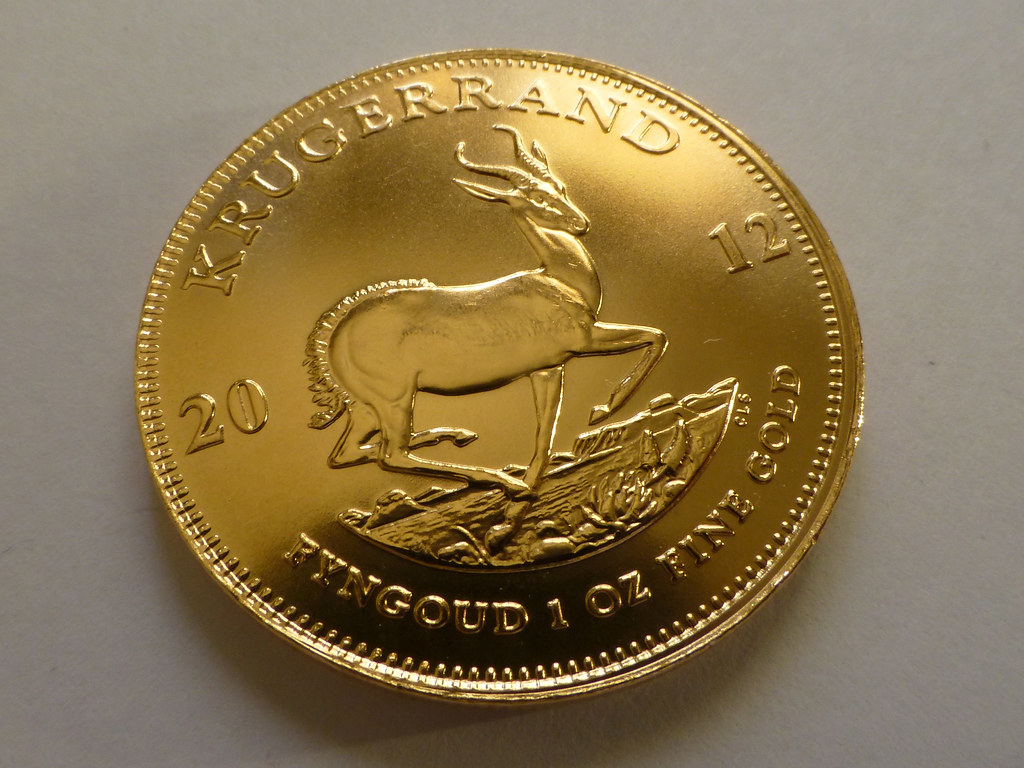
gold and silver prices are approaching dangerous capitulation levels, sparking worries in the investment community. Experts like Jesse Colombo highlight the potential risks involved.
Understanding Capitulation in Precious Metals
Capitulation in the context of precious metals refers to a point where investors abandon their positions, often leading to steep declines in gold and silver prices. This phenomenon typically occurs after a prolonged downtrend, where panic selling takes over and market sentiment turns overwhelmingly negative.
During capitulation, investors may realize substantial losses, prompting a rush to liquidate assets. Key indicators of capitulation include:
- High trading volumes: A sudden spike in trading activity often signals widespread panic.
- Rapid price declines: A drastic drop in prices can trigger more selling.
- Investor sentiment: Surveys indicating extreme pessimism can foreshadow capitulation.
As current trends suggest, both gold and silver prices are approaching these dangerous capitulation levels, raising concerns among market analysts.
Current Market Trends for Gold and Silver
As the market fluctuates, gold and silver prices are showing signs of significant vulnerability. Recent analysis indicates that these precious metals are approaching critical capitulation levels that could have alarming implications for investors.
Current trends reveal a downward trajectory, raising concerns among market watchers. Key factors influencing this shift include:
- Increased interest rates affecting demand
- Geopolitical tensions impacting market stability
- Shifts in investor sentiment towards riskier assets
With many investors closely monitoring these developments, the potential for a sharp decline in gold and silver prices could trigger panic selling, further exacerbating the situation. Traders are urged to remain vigilant as market conditions evolve.
Expert Insights from Jesse Colombo
In a recent analysis, financial expert Jesse Colombo highlighted the precarious situation facing gold and silver prices. According to Colombo, the market is nearing dangerous capitulation levels that could significantly impact investors.
He stated, “As both metals hover at critical support points, a breach could trigger a wave of selling, pushing prices down further.” Colombo emphasized the importance of monitoring key indicators, which may signal a shift in market sentiment.
He also noted that investors should be cautious during this period, as the potential for volatility increases. Colombo recommended keeping an eye on the following factors:
- Global economic conditions
- Interest rate fluctuations
- Geopolitical tensions
Ultimately, understanding these dynamics is crucial for anyone invested in precious metals.
Historical Context of Price Movements
As investors monitor the fluctuations in gold and silver prices, it is crucial to consider the historical context of these movements. Over the past few decades, both precious metals have experienced significant volatility, often influenced by economic conditions and market sentiment.
Historically, gold and silver prices tend to surge during periods of economic uncertainty, as investors seek safe-haven assets. However, there have also been instances of sharp declines, which can indicate capitulation—a point where investors are likely to sell off their holdings in a panic.
Currently, the market is showing signs that it may be approaching such a capitulation level, echoing past trends that have led to steep corrections. Understanding these historical patterns can provide valuable insights into potential future movements in gold and silver prices.
Investor Reactions to Falling Prices
As gold and silver prices continue to decline, investor sentiment has shifted significantly. Many are expressing concerns over potential capitulation, where panic selling may drive prices even lower. Individual investors are particularly anxious, fearing that they may have timed their purchases poorly.
Some are opting to hold onto their assets, hoping for a market rebound. Others are choosing to sell off their holdings to avoid further losses. Market analysts have noted a rise in retail interest as prices hit new lows, indicating that some investors see this as an opportunity to buy at a discount.
Despite the uncertainty, many believe that the long-term outlook for gold and silver remains positive, emphasizing the importance of a diversified investment strategy in these turbulent times.
Investors are advised to remain cautious and informed as they navigate these dangerous capitulation levels.
Future Predictions for Gold and Silver
As investors closely monitor market fluctuations, future predictions for gold and silver prices suggest potential volatility. Analysts warn that these precious metals may soon reach dangerous capitulation levels, prompting a significant shift in market sentiment.
Key factors influencing these predictions include:
- Global Economic Conditions: Ongoing uncertainties in the economy could lead to increased demand for safe-haven assets like gold and silver.
- Interest Rates: Changes in interest rates may impact the attractiveness of holding precious metals versus interest-bearing assets.
- Investor Sentiment: The emotional reactions of investors to falling prices can trigger a wave of panic selling or opportunistic buying.
Ultimately, the interplay of these elements will shape the trajectory of gold and silver prices in the coming months.
Strategies for Navigating Market Volatility
As gold and silver prices approach critical capitulation levels, investors must adopt effective strategies to navigate the resulting market volatility. Here are several key approaches to consider:
- Diversification: Spread investments across various asset classes to reduce risk exposure during turbulent times.
- Long-term Perspective: Focus on long-term trends rather than short-term fluctuations, especially in precious metals.
- Dollar-Cost Averaging: Invest fixed amounts regularly to mitigate the impact of price swings on overall investment.
- Stay Informed: Keep up with market news and expert analyses to make educated decisions regarding gold and silver prices.
By implementing these strategies, investors can better position themselves to withstand potential downturns while maximizing opportunities in the precious metals market.
The Impact of Global Events on Precious Metals
The fluctuation of gold and silver prices is often influenced by significant global events, which can create volatility in the market. Recently, geopolitical tensions and economic uncertainties have contributed to a heightened sense of risk among investors. As these events unfold, traders closely monitor how they affect precious metals, especially in times of potential capitulation.
Several factors play a crucial role in shaping market sentiment:
- Central Bank Policies: Changes in interest rates and monetary policies can directly impact the attractiveness of gold and silver as safe-haven assets.
- Economic Indicators: Reports on inflation, unemployment, and GDP growth can sway investor confidence, affecting demand for precious metals.
- Geopolitical Developments: Escalating conflicts or trade disputes can drive investors toward gold and silver as a hedge against instability.
As gold and silver prices approach dangerous capitulation levels, understanding the implications of these global events becomes essential for investors.
By austinevan via Openverse