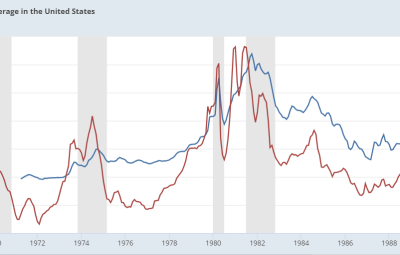
Next rate hike discussions are heating up as analysts react to the unexpected stall in August GDP. This development raises questions about future monetary policy.
Understanding the Next Rate Hike
The anticipation surrounding the next rate hike is palpable among economists and market analysts. Recent data reveals a surprising stall in August GDP, prompting discussions about the Federal Reserve’s monetary policy strategy moving forward. Understanding the implications of this potential rate increase is crucial for various sectors.
Market participants are particularly concerned about how a rate hike could affect borrowing costs, consumer spending, and overall economic growth. Here are some key points to consider:
- Consumer Impact: Higher interest rates typically lead to increased costs for loans, which can dampen consumer spending.
- Investment Decisions: Businesses may delay capital investments due to uncertainty surrounding the cost of financing.
- Inflation Control: The primary goal of a rate hike is to curb inflation, but the timing and magnitude of such increases are critical.
- Market Reactions: Financial markets often react swiftly to indications of a rate hike, affecting stock prices and bond yields.
As the Federal Reserve considers its next steps, the economic landscape remains dynamic, and stakeholders must stay informed on developments regarding the next rate hike.
Implications of August GDP Stall
The recent stall in August GDP has raised significant concerns about the timing of the next rate hike. Economists are closely analyzing the implications of this unexpected economic pause, as it could influence the Federal Reserve’s decision-making process.
Several key factors emerge from this situation:
- Consumer Spending: A stagnation in GDP often reflects reduced consumer confidence, which can lead to declining spending. If households tighten their budgets, economic growth may slow further.
- Business Investment: Companies may begin to reassess their investment strategies. A hesitant approach could hinder expansion plans and innovation, potentially impacting long-term economic growth.
- Inflation Concerns: The Federal Reserve must weigh the risks of inflation against economic stagnation. A premature next rate hike could exacerbate existing inflationary pressures, while delaying action might allow inflation to spiral.
As analysts anticipate the Federal Reserve’s next move, the implications of the August GDP stall will be pivotal in shaping economic policy. The balance between supporting growth and controlling inflation remains a delicate challenge.
Expert Opinions on Future Rate Decisions
Experts are closely analyzing the potential timing of the next rate hike, particularly in light of the recent stall in August GDP. Many economists believe that the Federal Reserve may adopt a more cautious approach in response to this unexpected economic development.
One prominent economist noted, “The next rate hike will largely depend on upcoming economic data. If growth remains sluggish, the Fed may hold off on any increases for the foreseeable future.”
Others highlighted the importance of inflation trends, with some stating:
- “Inflation will play a critical role in the decision-making process. A sustained rise could prompt a rate hike sooner rather than later.”
- “Conversely, if inflation cools, we may see the Fed delay the next rate hike to support growth.”
Overall, the consensus among economists is that while a next rate hike is on the horizon, its timing remains uncertain and will heavily depend on forthcoming economic indicators.
What This Means for Investors
The uncertainty surrounding the next rate hike has left many investors reassessing their strategies. As the Federal Reserve weighs its options, it is crucial to understand the potential implications for various asset classes.
Higher interest rates typically lead to:
- Increased borrowing costs: This can dampen consumer spending and business investments, potentially slowing economic growth.
- Volatility in equity markets: Investors may react negatively to rate hikes, leading to fluctuations in stock prices, especially in interest-sensitive sectors like real estate and utilities.
- Strengthening of the dollar: As rates rise, the dollar may gain strength, affecting exports and international competitiveness.
Conversely, certain sectors may benefit from a rate hike, particularly:
- Financial institutions: Banks and lenders often see improved profit margins in a higher rate environment.
- Fixed-income investors: Rising rates can present opportunities for purchasing bonds at more attractive yields.
Investors should remain vigilant and consider diversifying their portfolios to navigate the complexities of the impending rate changes.
By get directly down via Openverse
References
Medical Stocks Q3 Earnings: Best Strategies for Success · Binance hack losses: Is EIP-7702 the Worst Culprit? · Vedanta shares jump: Why they surged up to 13.5%