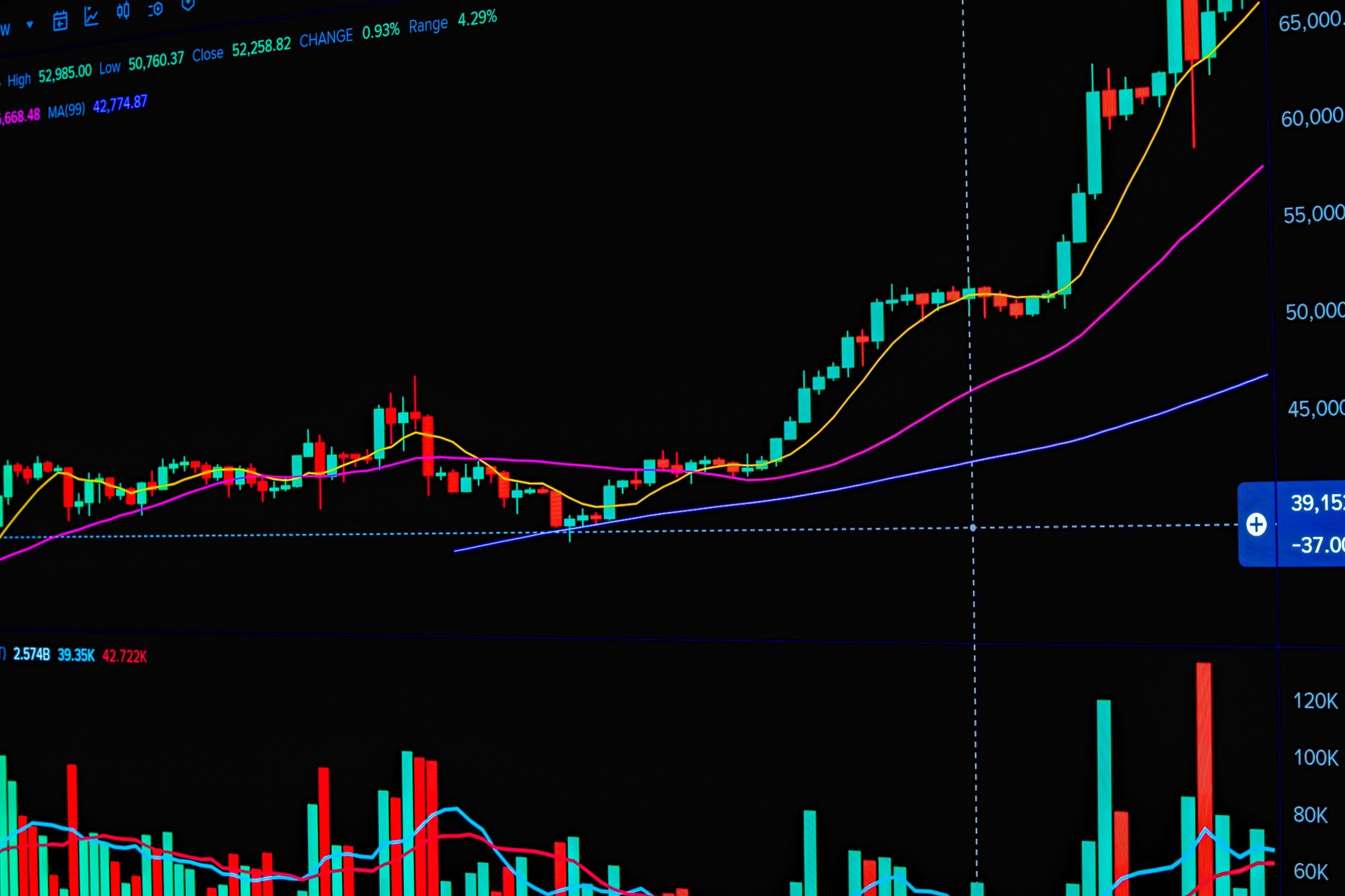
Indian equities return is a topic gaining traction as foreign institutional investors are reportedly hitting record underweight levels. This shift may signal new opportunities in the market.
Understanding FIIs and Their Impact
Foreign Institutional Investors (FIIs) play a crucial role in shaping the landscape of Indian equities. Their investment decisions can significantly influence market trends and sentiment. Recently, experts have noted that FIIs may be poised to return to Indian equities, particularly as they reach a record underweight position in the market.
As FIIs reassess their portfolios, several factors could motivate their renewed interest:
- Market Valuations: Indian equities are currently seen as attractive, given their relative valuation compared to global markets.
- Economic Recovery: The ongoing economic recovery in India, bolstered by strong GDP growth and improving corporate earnings, could entice more foreign investors.
- Policy Measures: Government initiatives aimed at enhancing ease of doing business and attracting foreign capital may further support FII inflows.
With these dynamics at play, the potential return of FIIs to Indian equities could signal a favorable investment climate, making it an opportune time for investors to consider their options in this vibrant market.
Current Market Trends in India
Current market trends in India indicate a significant shift in investor sentiment, particularly among foreign institutional investors (FIIs). After a prolonged period of underweighting Indian equities, recent analyses suggest that FIIs may be poised to return to this vibrant market.
Market analysts have observed the following key trends:
- Increased Foreign Investment: As valuations become more attractive, FIIs are beginning to re-evaluate their positions in Indian equities.
- Positive Economic Indicators: The Indian economy is showing signs of resilience, with strong GDP growth and favorable policy measures driving investor confidence.
- Sectoral Performance: Certain sectors, such as technology and pharmaceuticals, are witnessing robust growth, making them attractive for investment.
- Global Market Dynamics: As global markets fluctuate, India is being viewed as a stable investment destination, enhancing its appeal to foreign investors.
With these trends, many experts believe it could be an opportune moment for investors to consider entering the Indian equities market, as the potential for returns seems promising.
Mihir Vora’s Insights on Investment
Mihir Vora, a prominent market analyst, shares his insights on the potential resurgence of foreign institutional investors (FIIs) in Indian equities. He emphasizes that the current market dynamics indicate a significant opportunity for investors looking to capitalize on the anticipated return of FIIs.
According to Vora, several factors are driving this optimism:
- Valuation Appeal: Indian equities are currently trading at attractive valuations compared to other emerging markets, making them an appealing option for international investors.
- Economic Growth: India’s robust economic indicators suggest a positive growth trajectory, which could entice FIIs back into the market.
- Policy Support: Government initiatives aimed at boosting infrastructure and the overall business environment further strengthen the case for investing in Indian equities.
Vora notes that if FIIs decide to return, it could lead to increased liquidity and upward momentum in the markets. He advises potential investors to consider this an opportune moment to engage with Indian equities, as the prospects for growth appear promising.
Factors Influencing Indian Equities
Several factors are currently influencing the performance of Indian equities, making it a critical time for investors to assess their positions. First and foremost, foreign institutional investors (FIIs) are showing signs of returning to the Indian market after hitting a record underweight. This shift can lead to increased liquidity and potentially drive stock prices higher.
Additionally, the overall economic outlook in India remains positive, bolstered by strong GDP growth and robust corporate earnings. Analysts believe that these fundamentals create a favorable environment for investment in Indian equities.
Moreover, global market sentiments play a vital role in shaping investor confidence. With signs of stabilization in international markets, there may be renewed interest in Indian equities as a viable investment option.
Furthermore, government policies aimed at boosting infrastructure and manufacturing sectors are likely to spur long-term growth. Investors are encouraged to keep a close eye on these developments, as they could significantly impact the timing and strategy for entering the Indian equities market.
Ultimately, understanding these factors is essential for making informed investment decisions in an evolving landscape.
Historical Performance of FIIs
Historically, Foreign Institutional Investors (FIIs) have played a significant role in shaping the landscape of Indian equities. Their investment patterns often reflect confidence in the Indian economy, making their actions critical indicators for domestic and international investors.
Data from previous years shows that when FIIs increase their investments, Indian equities typically experience substantial growth. For instance, during the post-2014 period, a surge in FII inflows coincided with a robust rally in stock prices. Conversely, when FIIs withdraw, as seen in recent downturns, Indian equities tend to feel the pressure, leading to increased volatility.
Currently, with FIIs hitting record underweight positions in Indian equities, analysts are debating whether this might signal a reversal in their investment strategy. If they return to the market, it could provide a significant boost to stock prices and investor sentiment.
Investors are closely monitoring these trends, as the potential return of FIIs could mark one of the best times to invest in Indian equities, particularly for those looking to capitalize on long-term growth opportunities.
Predictions for Future Investments
As analysts observe the current market dynamics, predictions for future investments in Indian equities are becoming increasingly optimistic. The recent insights from esteemed market strategist Mihir Vora suggest a potential shift in foreign institutional investors’ (FIIs) strategies. With FIIs reportedly at a record underweight in Indian equities, the landscape may soon change.
Market experts are highlighting several factors that could drive a resurgence in investments:
- Economic Recovery: India’s economy is showing signs of resilience, which could attract more foreign capital.
- Valuation Opportunities: Many believe that current valuations offer enticing entry points for long-term investors.
- Policy Support: Government initiatives aimed at boosting growth may further enhance investor confidence.
- Global Trends: As global markets recover, Indian equities may benefit from a renewed interest in emerging markets.
In this context, the potential return of FIIs could mark a pivotal moment for Indian equities, making it a compelling time for investors to consider their positions in the market.
How to Navigate the Equity Market
Navigating the equity market can be challenging, particularly during periods of uncertainty. However, with the recent discussions surrounding the potential return of Foreign Institutional Investors (FIIs) to Indian equities, investors should consider several key strategies.
- Research and Analysis: It is essential to stay informed about market trends and economic indicators. Regularly review reports from financial analysts and institutions to make informed decisions.
- Diversification: To mitigate risk, diversify your investment portfolio across different sectors. This strategy can help cushion the impact of market volatility.
- Long-Term Perspective: Focus on long-term gains instead of short-term fluctuations. Indian equities have shown resilience over time, making them a viable option for patient investors.
- Consult Experts: Seek advice from financial advisors who understand the nuances of the Indian market. Their insights can provide valuable guidance tailored to your investment goals.
As discussions about Indian equities return gain traction, employing these strategies can help investors position themselves advantageously in the current market landscape.
Risk Management in Investing
Effective risk management is essential for investors considering the potential of Indian equities return. As market conditions can be volatile, it is crucial to adopt strategies that mitigate risks while maximizing returns. Here are some key considerations for managing risks in equity investing:
- Diversification: Spreading investments across various sectors and asset classes can reduce exposure to any single market downturn.
- Regular Monitoring: Keeping a close eye on market trends and economic indicators can help investors make informed decisions and adjust their portfolios as needed.
- Setting Investment Goals: Clearly defined objectives can guide investment choices and help maintain focus during market fluctuations.
- Utilizing Stop-Loss Orders: Implementing stop-loss orders can protect against significant losses by automatically selling shares when they reach a certain price.
- Long-Term Perspective: Maintaining a long-term investment horizon can allow investors to ride out short-term volatility, especially in the context of the potential Indian equities return.
By incorporating these strategies, investors can enhance their chances of achieving favorable outcomes in the ever-changing equity market.
Many analysts believe that the recent surge in the Indian equities return signals a favorable environment for investors. As market conditions improve, the Indian equities return could offer significant opportunities for growth.
Photo by Rafael Minguet Delgado on Pexels