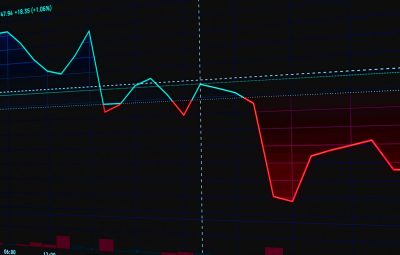
The stock market decline today has left many investors concerned. Understanding the reasons behind this downturn is crucial for making informed decisions moving forward.
Understanding Today’s Market Trends
The recent stock market decline has raised concerns among investors and analysts alike. Understanding the factors contributing to this downturn is crucial for navigating the current financial landscape.
Several key elements are driving the market’s negative trajectory:
- Inflation Rates: Rising inflation has led to increased interest rates, making borrowing more expensive.
- Geopolitical Tensions: Ongoing conflicts and uncertainties in various regions have created instability in global markets.
- Corporate Earnings: Disappointing earnings reports from major companies have dampened investor sentiment.
- Market Speculation: Heightened speculation and volatility have further exacerbated the downward trend.
Investors must stay informed and consider these factors as they assess the implications of the current stock market decline.
Key Reasons for the Stock Market Decline
The recent stock market decline has been attributed to several critical factors that investors should be aware of. These reasons have contributed to the heightened volatility and uncertainty in the financial markets.
- Rising Interest Rates: Central banks are increasing rates to combat inflation, which can lead to decreased consumer spending and lower corporate profits.
- Geopolitical Tensions: Ongoing conflicts and trade disputes have created a climate of uncertainty, prompting investors to pull back.
- Poor Corporate Earnings: Many companies have reported earnings below expectations, raising concerns about future growth.
- Market Sentiment: Fear and panic among investors can lead to a downward spiral, exacerbating the stock market decline.
Understanding these key reasons can help investors navigate the current landscape more effectively.
Impact of Global Events on Local Markets
The recent stock market decline has been significantly influenced by a variety of global events that ripple through local markets. Investors are particularly concerned about:
- Geopolitical Tensions: Ongoing conflicts can create uncertainty, leading to a decline in investor confidence.
- Economic Policy Changes: Shifts in monetary policies from major economies can impact global liquidity and interest rates.
- Supply Chain Disruptions: Continued disruptions can hinder economic recovery and affect corporate earnings.
- Inflationary Pressures: Rising inflation rates can erode purchasing power and squeeze profit margins for companies.
These factors contribute to the overall sentiment in the stock market, making it susceptible to declines as traders react to the latest news and forecasts.
Investor Reactions to Market Changes
Investor reactions to the recent stock market decline have been mixed, reflecting a range of emotions and strategies. Many investors are expressing concern over the sudden downturn, prompting a flurry of activity in trading volumes.
Some are opting to sell off portions of their portfolios to mitigate losses, while others view this as a buying opportunity, believing that the market will rebound in the long term.
Key reactions include:
- Increased volatility: Investors are witnessing significant fluctuations in stock prices, leading to heightened anxiety.
- Shift to safer assets: Many are reallocating funds toward bonds and precious metals as a hedge against further declines.
- Long-term optimism: A segment of investors remains confident in the market’s recovery, citing historical trends.
Ultimately, the current stock market decline has prompted a reevaluation of investment strategies among both seasoned and novice investors.
Historical Context of Market Crashes
The stock market decline is not a new phenomenon, as history has shown that various factors can lead to significant downturns. Over the decades, several market crashes have left lasting impacts on investors and the economy.
Among the most notable events are:
- The Great Depression (1929): Triggered by the collapse of the stock market, this event led to a decade-long economic downturn.
- Black Monday (1987): A sudden and severe drop in stock prices shocked investors globally, causing panic selling.
- The Dot-com Bubble (2000): Excessive speculation in technology stocks resulted in a sharp market decline.
- The Financial Crisis (2008): Triggered by subprime mortgage failures, this crisis caused a global recession.
Understanding these historical contexts is crucial for comprehending today’s market trends and the current stock market decline.
Expert Opinions on Future Outlook
Experts are divided on the future outlook of the stock market following the recent decline. Many analysts emphasize that the primary drivers behind the current stock market decline include rising interest rates and inflationary pressures.
According to financial strategist John Smith, “Investors should brace themselves for increased volatility as the markets adjust to economic realities.”
Conversely, Emily Johnson, an economist, believes that this decline could present buying opportunities. She states, “Long-term investors might find value in fundamentally strong companies that are temporarily undervalued.”
Additionally, market psychologist Tom Lee warns, “Sentiment plays a crucial role; if fear continues to dominate, we may see further declines before recovery.”
Overall, while uncertainty looms, experts urge investors to stay informed and consider their strategies carefully in light of the stock market’s recent challenges.
Strategies for Navigating Market Volatility
As investors grapple with the ongoing stock market decline, implementing effective strategies becomes essential for navigating market volatility. Here are a few approaches to consider:
- Diversification: Spreading investments across various sectors can reduce risk during downturns.
- Long-term perspective: Keeping a focus on long-term goals rather than short-term fluctuations may provide stability.
- Emergency fund: Maintaining a cash reserve allows for greater flexibility and reduces the need to sell assets in a downturn.
- Regular portfolio review: Assessing and adjusting your investment strategy in response to market changes is crucial.
- Stay informed: Keeping abreast of market trends and economic indicators can help in making informed decisions.
By employing these strategies, investors can better position themselves to withstand the pressures of today’s challenging market environment.
Photo by Leeloo The First on Pexels