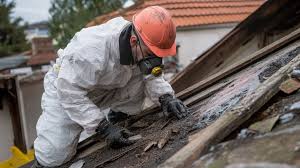
Asbestos is a naturally occurring mineral once widely used in construction due to its durability and heat resistance. However, exposure to asbestos fibers can cause serious health issues, including lung cancer, mesothelioma, and asbestosis. Studies indicate that up to 25% of buildings constructed before the 1990s may contain asbestos test materials. Performing a professional asbestos test is a crucial step in protecting both occupants and workers from potential hazards.
How Does an Asbestos Test Work?
Asbestos testing involves a careful, structured approach to identify and quantify hazardous materials. The process typically begins with a visual inspection to locate materials that may contain asbestos, such as ceiling tiles, insulation, roofing sheets, and floor tiles. Samples are then collected in a controlled manner to prevent fiber release. According to industry statistics, controlled sampling significantly reduces the risk of airborne contamination compared to unregulated handling. Collected samples are sent to accredited laboratories where advanced techniques like Polarized Light Microscopy (PLM) or Transmission Electron Microscopy (TEM) are used for analysis.
Which Areas are Most Likely to Contain Asbestos?
Data shows that certain areas in older buildings are more prone to containing asbestos. Insulation around pipes and boilers, textured ceiling finishes, cement sheets, and vinyl floor tiles are common examples. Approximately 30% of pre-1980 properties contain asbestos in one or more locations. By targeting these high-risk areas during testing, property owners can prioritize safety measures efficiently and cost-effectively.
What are the Risks of Ignoring Asbestos?
Ignoring the presence of asbestos can have severe health and financial consequences. Statistics reveal that accidental exposure during renovations or demolitions is a leading cause of asbestos-related illnesses. Property owners may also face costly remediation and legal liabilities if asbestos is discovered later. Verified asbestos testing mitigates these risks by providing accurate documentation of hazardous materials and guiding safe removal or management strategies.
How Safe is the Sampling Process?
Professional asbestos testing is designed to minimize exposure risks. Certified technicians use protective equipment and follow strict safety protocols during sample collection. Studies suggest that when handled correctly, asbestos testing poses minimal risk to both inspectors and occupants. Proper containment and labeling of samples, along with controlled laboratory analysis, ensure accurate results while maintaining safety standards.
Can Testing Improve Property Management?
Yes, asbestos testing contributes to better property management and planning. Verified test results allow property owners to create informed maintenance schedules, prioritize safe renovations, and comply with regulatory requirements. Research indicates that buildings with documented asbestos management plans have 40% fewer compliance issues and lower long-term maintenance costs. Additionally, clear asbestos reports can enhance property value by demonstrating a commitment to occupant safety.
What Should Property Owners Do After Testing?
Once testing confirms the presence or absence of asbestos, property owners should follow recommended action steps. If asbestos is detected, certified removal or encapsulation should be arranged to prevent fiber release. For properties without asbestos, maintaining a record of testing supports future renovations and buyer assurance. Statistics show that transparent documentation increases trust among tenants, investors, and buyers, ultimately improving marketability.
Why Choose Verified Asbestos Testing?
Verified asbestos testing provides accurate, documented results that protect health, ensure legal compliance, and maintain property value. With professional testing, property owners, contractors, and occupants can make informed decisions, avoid costly surprises, and create safer living and working environments. Regular testing and management of asbestos-containing materials are essential for long-term safety and peace of mind.